Top 10 Benefits of Using Low Noise Generator Sets for Home and Industry?
In recent years, the demand for Low Noise Generator Sets has seen significant growth. A report by MarketsandMarkets projected the generator set market to reach $27.2 billion by 2023. This surge correlates with industries recognizing the importance of noise reduction. High levels of noise pollution can lead to various health issues, including stress and hearing loss. Therefore, implementing Low Noise Generator Sets becomes crucial in both residential and industrial applications.
Low Noise Generator Sets not only meet power needs but also address environmental concerns. Many businesses are now aiming for sustainable operations. According to the Environmental Protection Agency (EPA), noise pollution can also impact local wildlife and ecosystems. Thus, choosing quieter options like Low Noise Generator Sets contributes to a healthier environment. These generators are designed with advanced technologies, minimizing sound emissions without compromising performance.
However, challenges still exist. Not all manufacturers adhere to the same standards. This inconsistency can lead to variable performance in noise reduction. Buyers must conduct thorough research to ensure they choose a reliable brand. The investment in Low Noise Generator Sets can offer long-term benefits, but consumers should be aware of potential drawbacks. Understanding these factors is essential for making informed decisions in generator set purchases.
Advantages of Low Noise Generator Sets for Residential Use
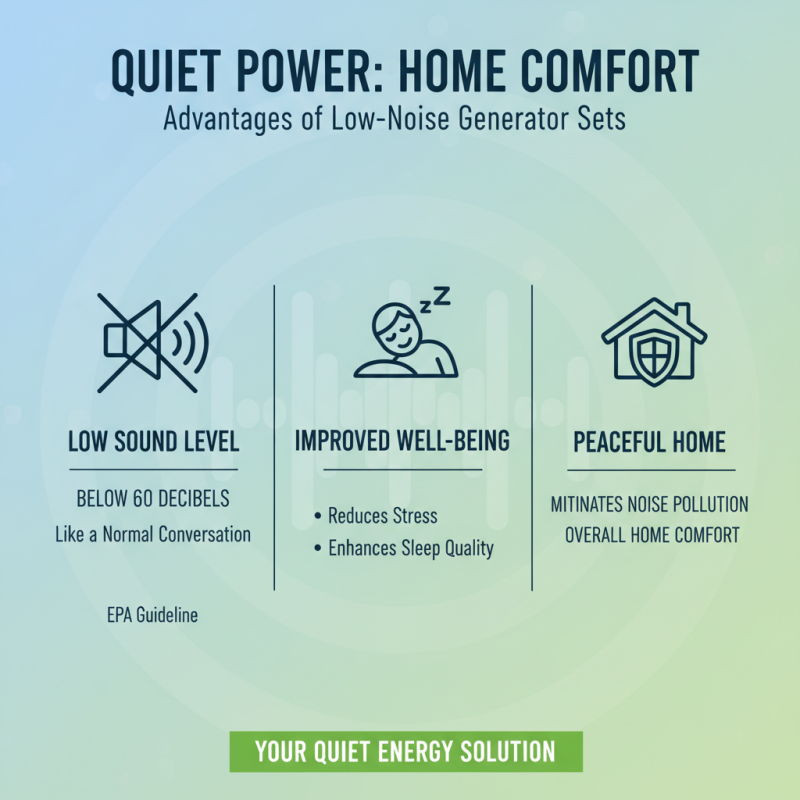
Low noise generator sets are becoming a popular choice for residential use. They operate at sound levels often below 60 decibels, comparable to a normal conversation. According to the U.S. Environmental Protection Agency (EPA), noise pollution can lead to stress and hinder sleep quality. Choosing a low noise generator can mitigate these issues, enhancing overall comfort at home.
These generators provide reliable power without the intrusive sound of traditional units. Studies have shown that prolonged exposure to high noise levels can cause hearing loss and stress-related health issues. A report from the World Health Organization highlights that lower noise levels can improve sleep patterns and increase productivity. Furthermore, residents in urban areas often face strict noise regulations, making low noise generators a practical and compliant choice.
In addition to health benefits, low noise generators often feature advanced technology that improves fuel efficiency. This can reduce overall operating costs, making them an economical option over time. However, some users may find these models initially more expensive. Investing in quality low noise generators can lead to long-term savings, considering maintenance and environmental impact. This choice reflects a growing trend toward sustainable living and enhanced quality of life.
Impact of Low Noise Generators on Indoor Comfort and Well-being
Low noise generator sets are changing the way we think about comfort at home and in industry. These devices operate silently, reducing unwanted background noise. This can significantly enhance indoor spaces, making them more tranquil and serene. Imagine working from a quiet office, free from the hum of loud machinery. Many studies suggest that lower noise levels promote productivity and mental clarity.
Moreover, the impact on well-being is profound. Excessive noise can lead to stress and anxiety. By using low noise generators, people can enjoy peaceful environments that support relaxation. Whether it's during family gatherings or in industrial settings, less noise contributes to happier interactions. However, it’s essential to remember that not all low noise generators are created equal. Some still emit noticeable sounds that can disrupt focus.
Ultimately, the choice of a low noise generator should be based on specific needs and contexts. Reflecting on user experiences is vital; some might find certain models quieter than others. While lower noise levels can improve comfort, potential drawbacks must be assessed carefully. Choosing the right generator can lead to a notable improvement in both personal and professional spaces.
Top 10 Benefits of Using Low Noise Generator Sets for Home and Industry
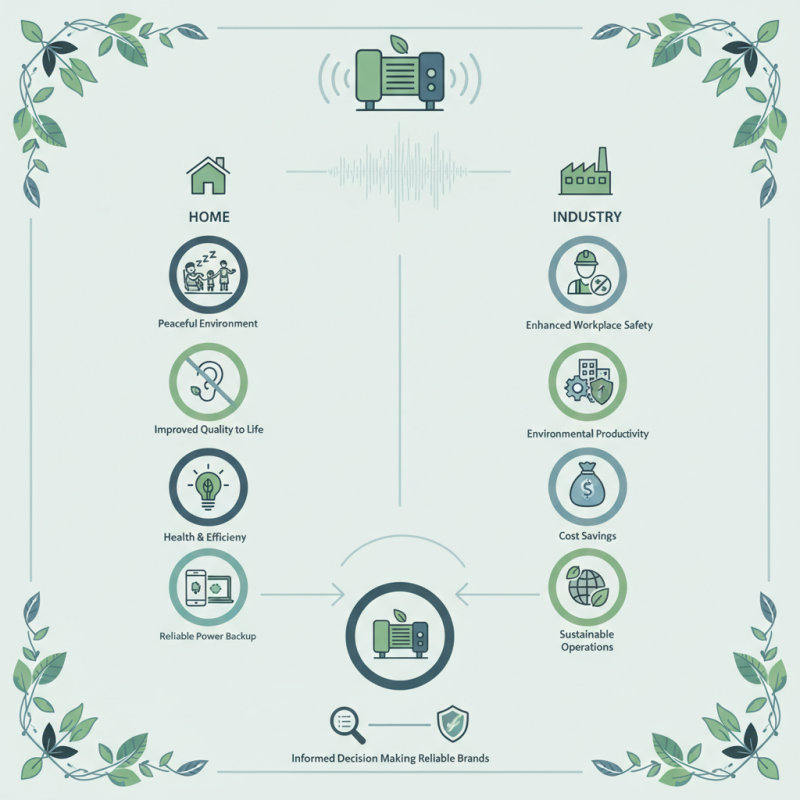
The following bar chart illustrates the benefits of using low noise generator sets for both home and industrial applications. These benefits highlight the impact of low noise generators on indoor comfort and overall well-being.
Benefits of Low Noise Generators in Industrial Applications
Low noise generator sets offer significant advantages in industrial applications. According to a recent report from the International Energy Agency (IEA), the noise pollution from traditional generators can reach levels as high as 85 decibels. This level can negatively impact worker productivity and health. Low noise generators, typically operating at around 55-70 decibels, provide a quieter environment, enhancing concentration and comfort.
In addition to improved work conditions, low noise generators can also be more energy-efficient. The U.S. Department of Energy cites that saving energy can reduce operational costs by up to 20%. With lower energy consumption, businesses can decrease their carbon footprint while promoting sustainable practices. These generators often use advanced technology for better fuel efficiency.
Moreover, noise regulations are tightening globally. Many regions now have strict guidelines on permissible noise levels in industrial settings. Non-compliance can result in hefty fines. A study by the European Union reveals that non-compliance can cost industries up to €100,000 annually. Adopting low noise generators ensures adherence to these regulations, thus avoiding costly penalties and contributing to a more harmonious workplace.
Environmental Benefits of Using Low Noise Generators
Low noise generator sets play a crucial role in reducing environmental impact. Traditional generators often produce excess noise, disturbing both people and wildlife. In contrast, low noise generators operate quietly, minimizing sound pollution. This creates a better atmosphere for residential areas and nearby ecosystems.
Moreover, low noise generators tend to use cleaner technology. They often produce fewer emissions compared to their louder counterparts. This helps improve air quality and supports efforts to combat climate change.
Lesser emissions mean reduced greenhouse gases, which is critical for a sustainable future.
Tips for selecting a low noise generator:
- Look for units with sound-dampening features.
- Check the decibel rating; lower numbers indicate quieter operation.
- Consider fuel efficiency as well. A more efficient generator not only saves money but also reduces environmental impact.
- Quality matters—invest in reputable manufacturers to ensure reliability and performance.
Cost Efficiency and Long-term Savings with Low Noise Generators
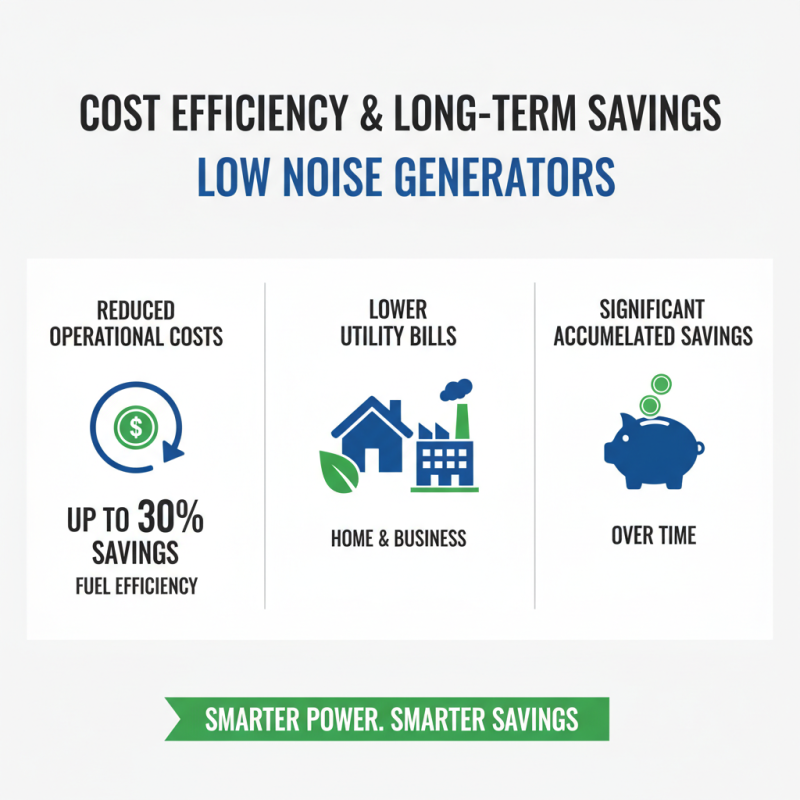
Low noise generator sets have emerged as a popular choice for both residential and industrial use. One of the key advantages is their cost efficiency. Studies show that low noise generators can reduce operational costs by up to 30%. This reduction primarily stems from their improved fuel efficiency compared to standard generators. Homes and businesses benefit from lower utility bills over time, which can accumulate into significant savings.
Another aspect of cost efficiency relates to maintenance. Low noise generators typically operate at lower RPMs, which reduces wear and tear. According to a recent industry report, companies that switched to low noise models reported a 25% decrease in maintenance costs. This reliability extends the lifespan of the equipment, resulting in fewer replacements. Investing in technology that minimizes noise and enhances performance often proves to be a smart financial decision.
Moreover, soundproofing in these generators contributes to a quieter environment. Some studies indicate that noise pollution can lead to health risks and reduced productivity. By utilizing low noise generators, workplaces can create a more conducive atmosphere for employees. The balance between performance and environmental consideration is crucial. It reminds us that while cost is important, ensuring a healthy workspace is equally vital.