How to Choose the Best Silent Generator Set for Your Needs?
Choosing the right Silent Generator Set can be a daunting task. With numerous options on the market, it’s essential to know what fits your specific needs. Industry expert Mark Thompson, a leading authority on power solutions, once said, “A silent generator set can save you from noise pollution while maintaining functionality.” This highlights the importance of selecting a generator that meets both performance and environmental standards.
Understanding the power requirements is crucial. Assess your load needs to avoid underpowering or overpaying for capacity. Also, consider the noise level specifications. Designed for quiet operation, a Silent Generator Set should operate below 60 decibels, providing peace in residential or commercial settings.
Moreover, maintenance and fuel efficiency are vital. Regular checks can prevent breakdowns and costly repairs. Reflecting on the options, you might question which brands truly deliver quality and reliability. The market is vast, and consumer reviews can help guide you to reliable choices. Selecting a Silent Generator Set requires careful thought and effort, ensuring you make an informed decision.
Understanding Silent Generators: Key Features and Benefits
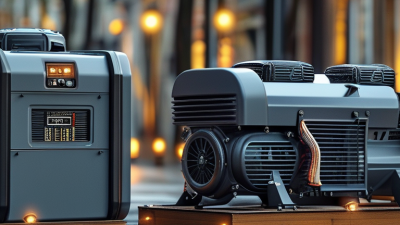
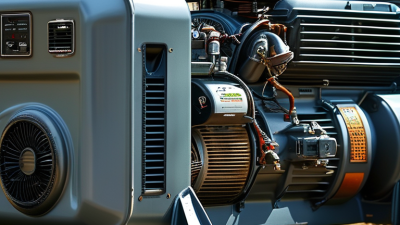
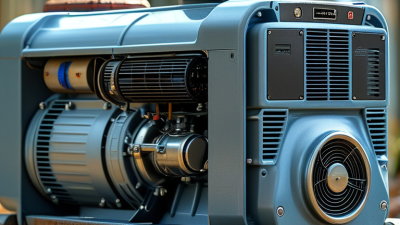
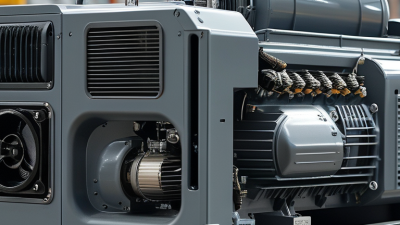
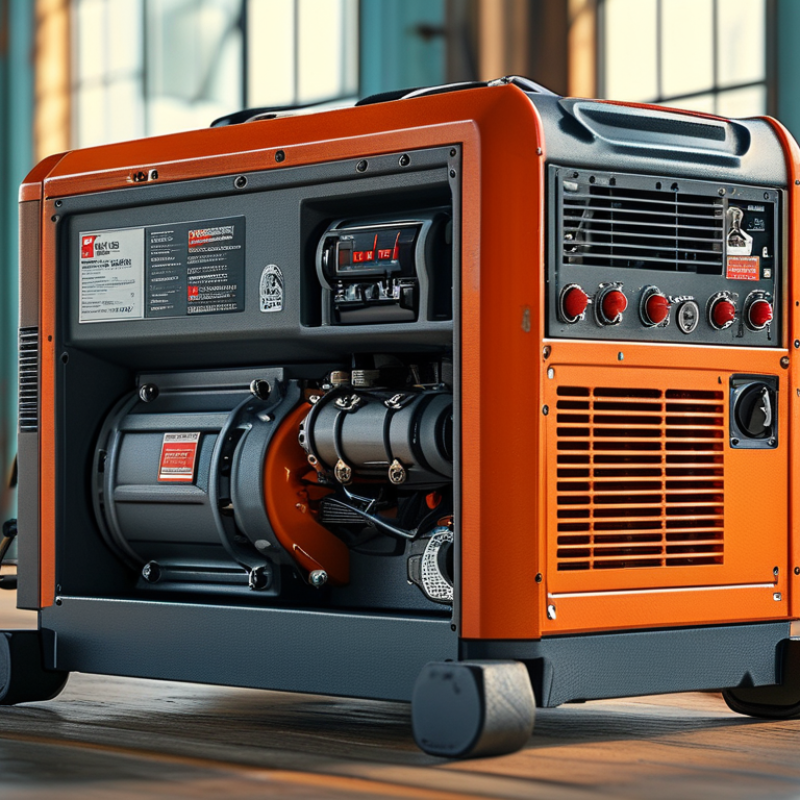
Silent generators offer a unique combination of power and convenience. These machines are designed to operate quietly, making them ideal for residential and commercial use. The key features of silent generators include advanced noise-reduction technologies, soundproof enclosures, and efficient fuel consumption. When selecting a generator, it's essential to consider the power output you need for your specific applications.
Reliability is another critical aspect of silent generators. High-quality models are built to withstand various environmental conditions, ensuring consistent performance. Many silent generators also come with user-friendly interfaces and safety features, enhancing their usability. Despite their advantages, some may find maintenance challenging. Regular checks are necessary to prevent potential issues.
Ultimately, choosing the right silent generator requires a balance between power needs and noise levels. Evaluating your specific requirements is crucial. A generator that meets all criteria might still pose concerns over weight or mobility. Exploring various options can help identify the best fit for you. Keep in mind that every choice comes with trade-offs, and finding the ideal generator is often a journey of refining your priorities.
Silent Generators: Key Features and Benefits
This chart displays the key specifications of silent generators, including noise level, fuel efficiency, run time, power output, and weight. These features can help you determine the best silent generator set for your specific needs.
Assessing Your Power Needs for a Silent Generator Set
Assessing your power needs is crucial when selecting a silent generator set. Each operation has unique requirements. Engaging with a power needs assessment can prevent overspending on unnecessary capacity. According to industry reports, many users underestimate their actual consumption by up to 30%. Accurate assessment ensures you choose the right generator size.
Start by calculating the total wattage of appliances or equipment you intend to power. Consider starting wattage for devices like refrigerators and air conditioners. An average home may require anywhere from 3,000 to 8,000 watts, depending on usage. A commercial setting might need significantly more, sometimes exceeding 20,000 watts. Monitoring actual usage can help refine these estimates.
Don’t overlook the importance of efficiency ratings. Silent generators come with diverse fuel types and efficiencies. A study indicated that choosing a model with a higher fuel efficiency could reduce operational costs by 15-20% over time. Consider noise levels and where the generator will be used. These factors are as critical as the power output itself. Often, the search leads to compromise—balancing power needs and budget can be challenging.
How to Choose the Best Silent Generator Set for Your Needs? - Assessing Your Power Needs for a Silent Generator Set
| Power Output (kW) |
Fuel Type |
Noise Level (dB) |
Run Time (hours) |
Weight (kg) |
Price (USD) |
| 3.0 |
Diesel |
58 |
10 |
60 |
1,200 |
| 5.5 |
Petrol |
54 |
12 |
70 |
1,500 |
| 8.0 |
Diesel |
62 |
14 |
90 |
2,000 |
| 10.0 |
Gas |
68 |
16 |
110 |
2,800 |
Comparing Different Types of Silent Generators Available
When considering silent generators, it's essential to explore different types available in the market. Each type has unique features suited for various needs. Portable silent generators are ideal for outdoor activities or temporary power needs. They are lightweight and easy to transport. However, their power output may not sustain heavy appliances.
In contrast, stationary silent generators provide a more robust solution for homes or businesses. They deliver consistent power and are often connected to a building's electrical system. This type can be more expensive and requires professional installation. Evaluating your specific needs can help determine the right option for you.
**Tips:** Think about your primary power needs. Assess wattage requirements carefully. Research noise levels as they vary between models. Don't overlook maintenance; some generators require more upkeep than others. Lastly, consider your budget. A lower price may mean sacrificing durability or features. Reflection on these aspects will lead to better choices.
Evaluating Noise Levels and Regulations for Generator Use
When selecting a silent generator set, understanding noise levels is crucial. Many areas have regulations limiting generator noise to around 60 dB. This level is comparable to a normal conversation. Exceeding this can lead to complaints or legal issues. According to a recent industry report, nearly 30% of generator users faced fines due to noise violations.
Tips: Research local regulations. Each jurisdiction may have different guidelines. This can help avoid unexpected fines.
It's also important to consider the type of environment where the generator will be used. If you're in a residential area, a quieter model should be a priority. Two-stroke generators often emit more noise compared to four-stroke models. While four-stroke options might have a higher upfront cost, they deliver a quieter operation over time. Many customers overlook the long-term benefits.
Tips: Compare decibel ratings from different models. Look for data from trusted agencies. Evaluating the source of information is essential.
Factors to Consider When Selecting a Brand and Model
When selecting a silent generator set, brand and model matter significantly. First, consider noise levels. A generator should operate quietly, ideally below 60 decibels. This is essential for residential areas or outdoor events. Noise pollution can arise from less efficient models.
Power output is another crucial factor. Calculate your power needs carefully. The wrong size can lead to inefficiencies. A generator that’s too small may struggle, while one that’s too large can waste fuel. Industry reports indicate that operational cost efficiency is critical. Generators with a 20-30% fuel consumption reduction can save substantial amounts over time.
Brand reliability also counts. Look for manufacturers with solid customer service records. Check for warranties and support networks. A 2022 survey by a power generation company revealed that 70% of users prioritize post-purchase support. This emphasizes the importance of after-sale service. Ultimately, knowing what to look for can help you avoid costly mistakes. Blindly choosing based on price can lead to frustration.