How to Choose the Best Weichai Generator Set for Your Needs?
When selecting a Weichai Generator Set, understanding your specific needs is crucial. Different applications require different power outputs and features. You might find it challenging to determine the appropriate size and capacity for your situation.
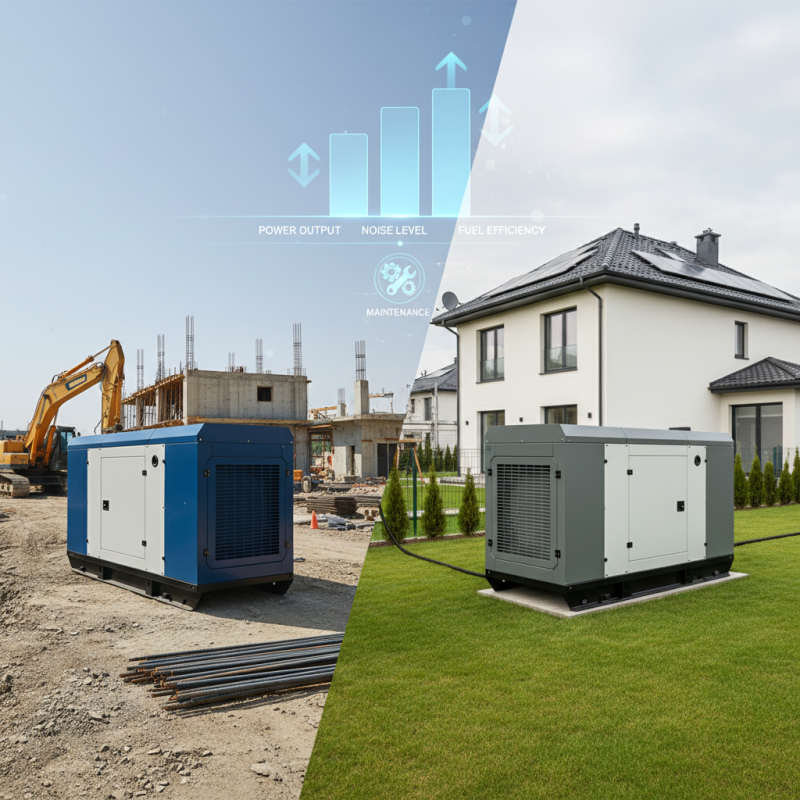
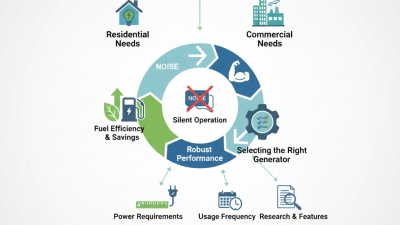
Consider the environment where the generator will be used. Will it be for construction sites or backup power at home? Assessing noise levels and fuel efficiency can also help you make a decision. Many users overlook the importance of these details, leading to unsuitable choices.
Don’t forget to examine maintenance requirements. A Weichai Generator Set may offer robust performance but could demand extensive upkeep. Finding a balance between power, sustainability, and ease of use is not always straightforward. Reflect on what truly matters to you and take the time to research before making a choice.
Understanding Your Power Needs and Requirements
Understanding your power needs is crucial when selecting a generator set. Begin by evaluating your energy consumption patterns. A comprehensive report by the International Energy Agency reveals that over 70% of businesses underestimate their peak power requirements. Accurate assessment is vital.
Consider the types of equipment you will operate. Sensitive electronics may need a generator with lower total harmonic distortion. The report shows that incorrect sizing can lead to inefficiencies, such as increased fuel consumption and higher maintenance costs.
Another aspect to reflect on is future growth. If your power needs will increase due to expansion, choose a generator with additional capacity. A study indicates that generators often underperform when not matched to load, making it essential to project your needs accurately. Model your requirements carefully to avoid potential operational challenges.
Exploring Different Types of Weichai Generator Sets
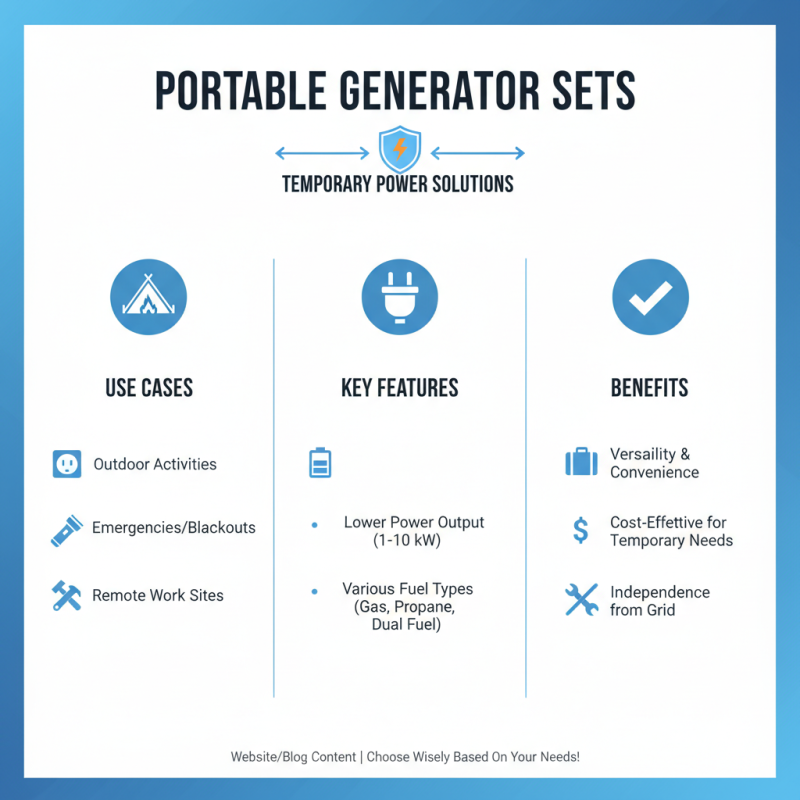
When exploring different types of generator sets, it’s essential to consider your specific requirements. Many options exist. You might choose a portable generator for temporary use. This type is useful for outdoor activities or emergencies. These sets often have lower power output but are easy to transport.
For more permanent solutions, standby generator sets are available. They provide backup power during outages. Installation can be complex, requiring professional help. These systems may also need regular maintenance to function properly. Another option is the industrial generator set. These are robust and designed for heavy-duty usage. They can support large facilities but can be overkill for smaller applications.
Reflecting on your choices is crucial. Sometimes, buyers overlook fuel types. Diesel, natural gas, and gasoline each have pros and cons. Price, availability, and emissions should all factor into your decision. Selecting the right generator set isn’t just about power. Consider your specific needs carefully. You may find your perfect match, or realize you need additional support for your setup.
Evaluating Technical Specifications and Features
When choosing a generator set, evaluating technical specifications is crucial. Focus on power output, efficiency, and fuel type. A well-matched generator should meet your specific power needs. According to industry data, a generator's efficiency can significantly impact operational costs. For instance, units with higher thermal efficiencies, usually around 30-40%, help lower energy bills.
Noise levels are another important factor. Generators can produce noise levels exceeding 100 dB. If you plan to use the generator in sensitive environments, consider selecting models with lower noise emissions. Features like soundproof enclosures can also be beneficial. Additionally, checking the generator’s load capacity is essential. Oversizing can lead to inefficiencies, while undersizing can be hazardous.
Don't overlook the importance of maintenance routines. Regular checks can extend the lifespan of your generator. However, many users fail to adhere to maintenance schedules, leading to unexpected breakdowns. It's essential to balance cost and reliability. Sometimes a cheaper model may require more repairs in the long run. Always weigh these factors before making a decision.
Comparing Fuel Efficiency and Operating Costs
When considering a generator set, fuel efficiency and operating costs are critical. Data from industry reports indicates that fuel efficiency plays a pivotal role in minimizing costs. On average, a generator that operates with 5% higher fuel efficiency can save up to 15% on fuel expenses annually. This reduction significantly impacts budget allocation, especially for long-term operations.
Operating costs encompass more than just fuel. Maintenance and repair expenses can vary widely. Reports show that a well-maintained generator can lower operational costs by 20%. In contrast, neglecting routine checks can double these costs due to unexpected breakdowns. Thus, investing in a generator designed for easier maintenance could lead to substantial savings.
However, many users overlook factors like load management. Properly matching the generator’s capacity to actual load can enhance fuel efficiency. Some may choose a larger generator, thinking it provides more power. In reality, over-sizing can result in excessive fuel consumption. It’s essential to reflect on these choices carefully to maximize both efficiency and cost savings.
Identifying Reliable Suppliers and After-Sales Support
Choosing the right generator set is crucial. The supplier's reliability and their support after the sale are equally important. Research potential suppliers thoroughy. Look for customer reviews. A good reputation often indicates quality service.
After purchasing a generator, after-sales support becomes key. You might need maintenance or parts. Make sure the supplier offers good service. They should provide prompt responses to inquiries. If a problem arises, quick support can save you trouble.
Tips: Always check if the supplier has a physical location. This indicates commitment. Ask about warranties and support options. Don’t ignore these questions. It can lead to frustrations later. Remember, not all suppliers deliver on their promises. Reflect on your choices carefully.
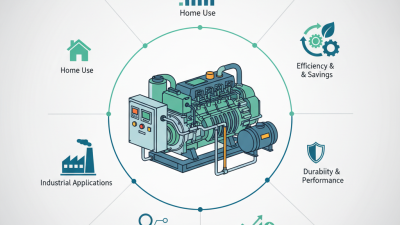
Comparative Analysis of Weichai Generator Set Features