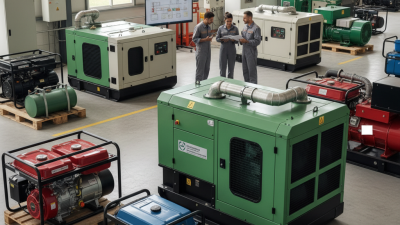
How to Choose the Right Silent Generator Set for Your Needs?
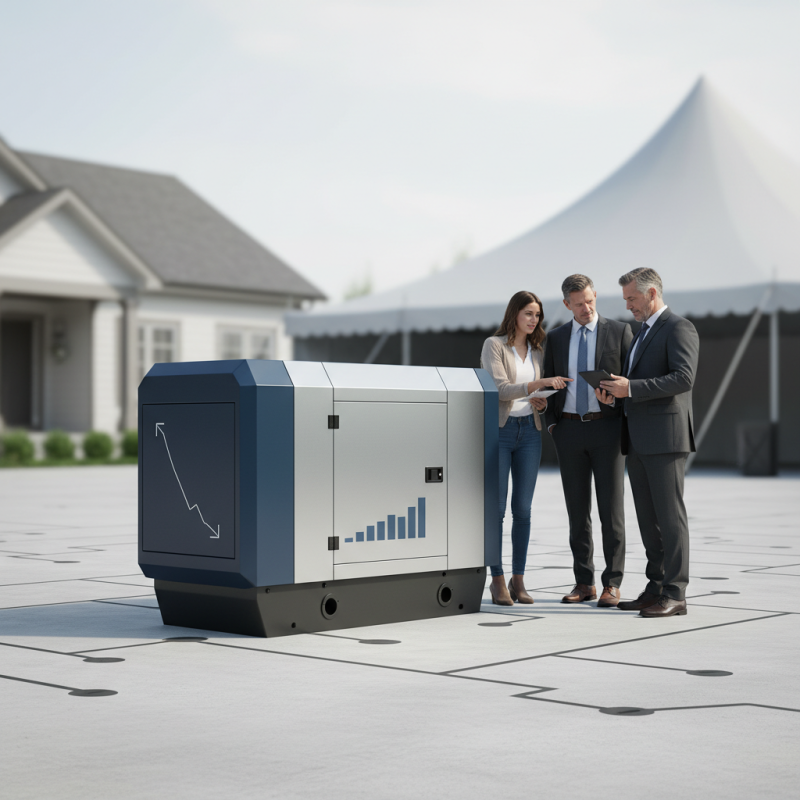
Choosing the right Silent Generator Set can be a daunting task. With various models available, each offering unique features, it's essential to understand your specific needs. A Silent Generator Set provides both power and quiet operation, making it ideal for residential and commercial use.
Consider the size and capacity of the generator. Will it be for a small home or a large event? Assessing your power requirements is crucial. Additionally, noise levels are a significant factor. A quieter generator can enhance your environment, but it often comes with a higher price.
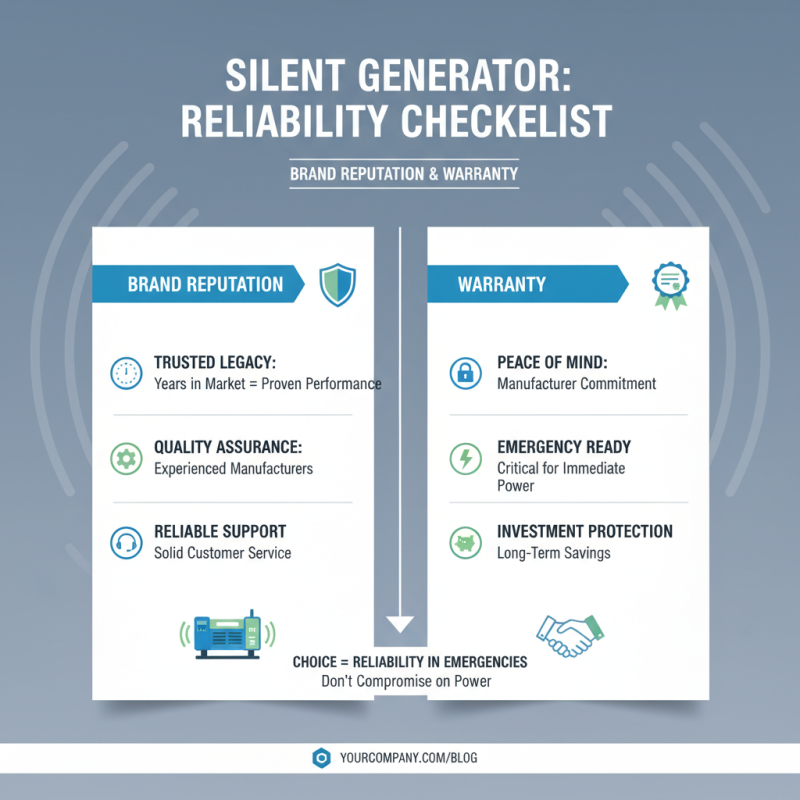
Research is vital. Look for reliable brands with positive reviews. Talk to professionals who understand generator performance. This will help you avoid common pitfalls. Each person's situation is different. Reflect on your choices to ensure you select the Silent Generator Set that truly meets your needs.
Understanding Your Power Requirements for a Silent Generator Set
Choosing the right silent generator set starts with understanding your specific power needs. This requires calculating the total wattage of the devices you intend to run. Include everything from lights to heavy machinery. Neglecting even a small appliance can lead to inadequate power output.
Tips: Assess your appliances' wattages. Make a list. Use a wattmeter if possible.
Next, consider usage scenarios. Are you looking for emergency backup, full-time operation, or occasional use? Each scenario demands different capacity levels. For example, a home requiring backup during outages may need less capacity than tools used at a construction site.
Tips: Think about peak versus continuous power. Don't forget about starting loads for certain equipment.
Finally, factor in noise levels. Silent generators typically operate at 50-60 decibels. A quieter model may be essential in residential areas or sensitive environments. Balance this against your power requirements.
Tips: Visit sites with noise level ratings. Test units if possible.
How to Choose the Right Silent Generator Set for Your Needs?
| Power Requirement (kW) |
Noise Level (dB) |
Fuel Type |
Run Time (hours) |
Portability |
| 1.5 |
50 |
Gasoline |
8 |
Portable |
| 3.0 |
55 |
Diesel |
12 |
Stationary |
| 5.0 |
60 |
Propane |
10 |
Portable |
| 7.5 |
65 |
Diesel |
8 |
Stationary |
| 10.0 |
68 |
Biodiesel |
6 |
Portable |
Evaluating the Noise Level: Why Silence Matters in Generator Selection
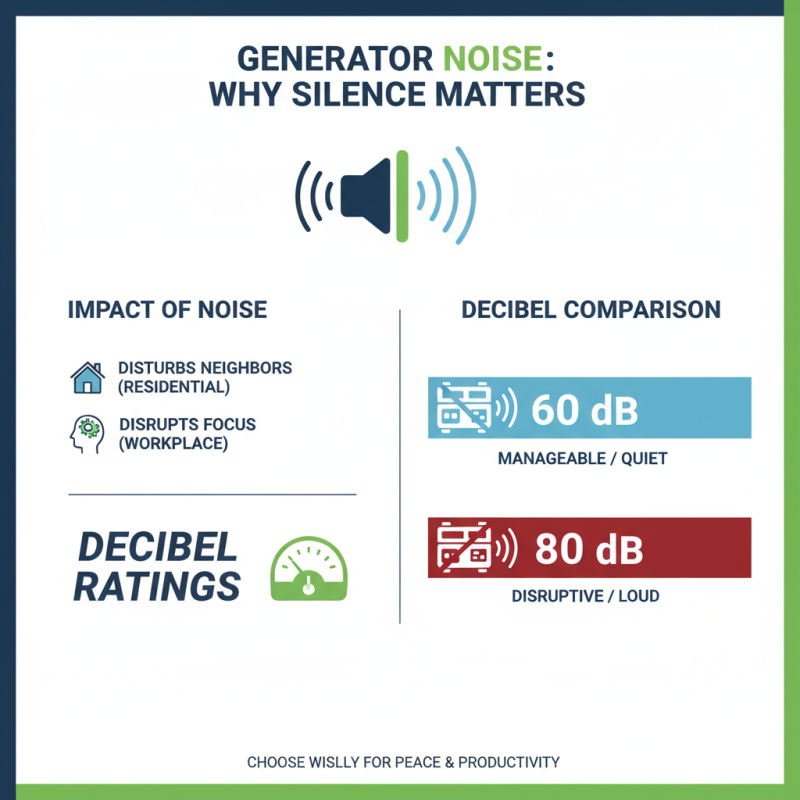
When selecting a silent generator set, evaluating noise levels is crucial. Noise can significantly impact the surrounding environment, especially in residential areas or quiet workplaces. A noisy generator may disturb neighbors or disrupt focus in professional settings. Understanding decibel ratings is key. A generator operating at 60 dB is manageable, while one at 80 dB can be disruptive.
Choosing the right silent generator isn't just about decibels. Consider where and how you'll use it. For example, outdoor events require quieter models to enhance the experience. Indoor use necessitates even lower noise levels to avoid being intrusive. Testing various options in person can be beneficial.
Reflect on your priorities. Do you prioritize noise reduction enough to invest in higher-end models? Sometimes, the cheaper options perform loudly, causing more headaches in the long run. The ultimate goal is a generator that meets your energy needs while maintaining peace. Balancing performance and sound is essential for a satisfying choice.
Exploring Fuel Types: Options for Silent Generator Operation
When selecting a silent generator set, understanding fuel types is crucial for operational efficiency. Common options for silent generators include diesel, propane, and natural gas. Diesel generators often offer high power output and longevity. They are suitable for heavy-duty applications but can be noisier compared to others. Propane, on the other hand, tends to produce less noise. It's a cleaner alternative, but its availability can be a concern in some regions.
Natural gas generators are gaining popularity due to their efficiency and lower emissions. They operate quietly and are often favored for residential settings. However, they rely on gas lines, which may not be available everywhere. Choosing the right fuel type requires considering local fuel availability, budget, and the intended use of the generator.
Each fuel type comes with distinct benefits and drawbacks. For instance, diesel might promise durability but raises concerns over emissions. Propane offers quiet operation but could face supply challenges in emergencies. Weighing these factors is key. Ultimately, thorough research on fuel types is essential to ensure the generator set meets your needs effectively.
Fuel Types for Silent Generator Operation
Assessing Portability and Size for Your Silent Generator Needs
When choosing a silent generator set, assessing its portability and size is crucial. A compact generator is easier to transport. If you plan to move it frequently, weight matters. Look for options that are lightweight yet powerful. Ensure it fits in your vehicle or designated space.
Portability also affects usage. A smaller generator might serve well for camping or outdoor events. However, will it provide enough power? Balance is key. Consider your power needs and the generator’s fuel efficiency. A portable generator should run long enough for your activities.
Think about storage when not in use. A bulky unit requires more space. Ideally, choose a generator that is easy to store. Look for handles or wheels for easier maneuverability. Reflection on these factors can guide you to a suitable option that meets both your power demands and location constraints.