How to Choose the Right Yuchai Generator Set for Your Needs?
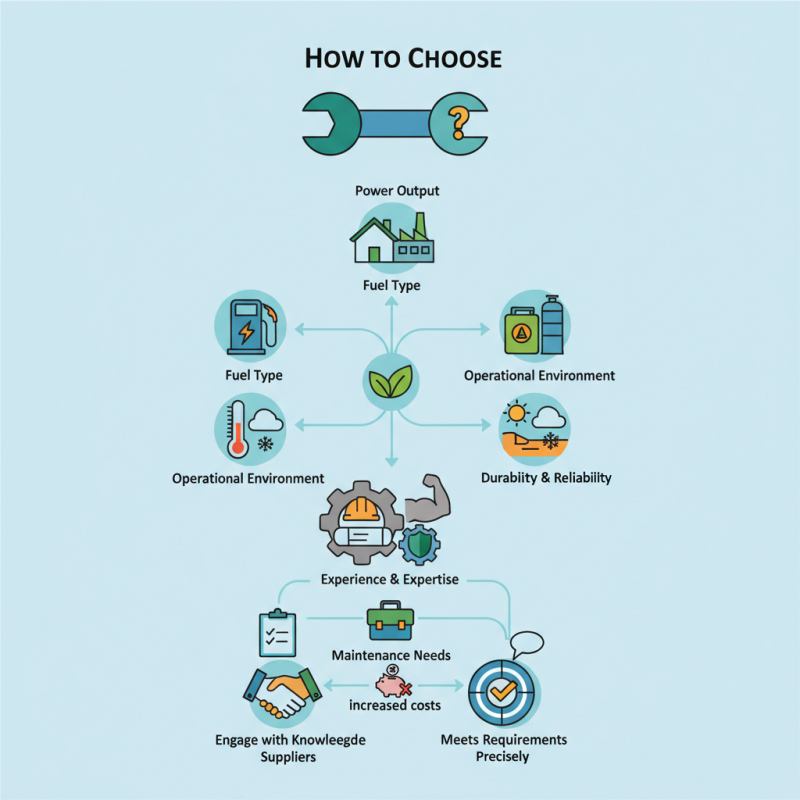
Choosing the right Yuchai Generator Set is essential for your specific needs. With a range of options available, understanding your requirements can be challenging. Many factors come into play, such as power output, fuel type, and operational environment, all influencing the decision-making process.
When selecting a Yuchai Generator Set, consider both experience and expertise. Your unique demands should align with the generator's capabilities. For instance, if you need power for construction, a durable model is vital. Reliability is key, as you depend on this equipment for your operations.
Moreover, it's easy to overlook certain aspects during the selection process. Are you aware of the maintenance needs? Ignoring this might lead to increased costs later. Engage with knowledgeable suppliers to gain deeper insights. This will ensure you choose a Yuchai Generator Set that meets your requirements precisely.
Understanding Your Power Requirements for a Yuchai Generator Set
When choosing a Yuchai generator set, understanding your power requirements is crucial. Assessing your immediate and future needs ensures you select the right capacity. Begin by calculating the total wattage of the devices you plan to power. This includes both continuous and peak demand. It is important to consider startup surges for equipment like refrigerators or pumps. These surges can significantly increase your power needs.
Another factor to consider is the type of fuel you prefer. Diesel and gas are common options, each with distinct operational costs and maintenance requirements. It’s also wise to reflect on your usage frequency. Will the generator be a backup or in constant use? This can dictate not only the size but also the durability needed from your generator set.
Don't overlook the environment where the generator will be used. Space, ventilation, and noise levels all play a role in your decision-making. If you live in a noise-sensitive area, you might need a quieter model. Additionally, consider the local climate. A generator might require different features in extreme conditions, such as cooling systems in hot areas. These details will impact your overall satisfaction and efficiency.
Key Features to Consider When Selecting a Yuchai Generator Set
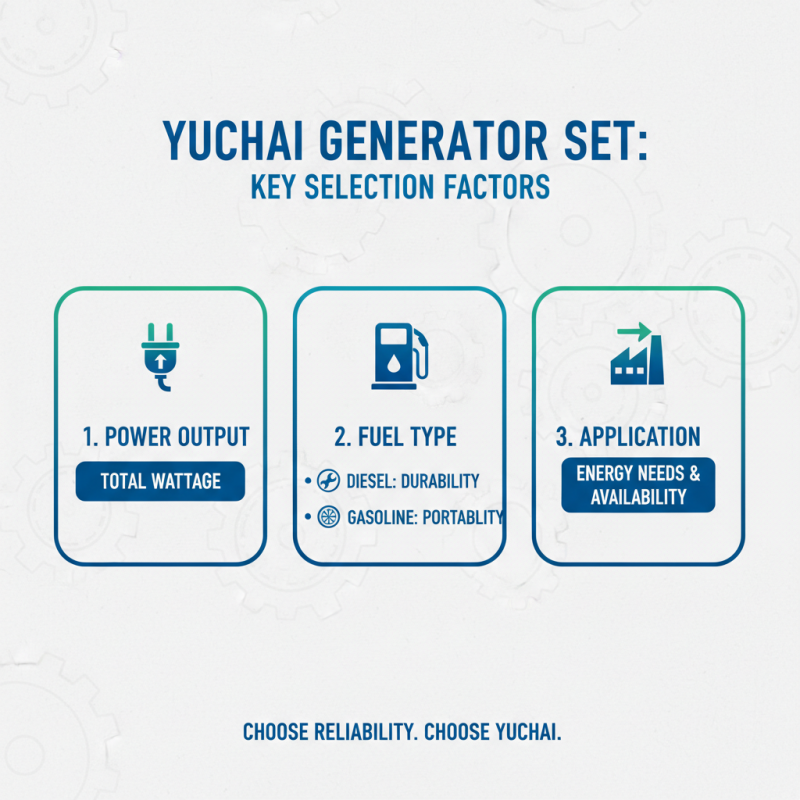
When selecting a generator set, key features play a crucial role. Begin by evaluating your power output requirements. Calculate the total wattage needed for your applications. This ensures the generator you choose can handle your load without straining. It’s also essential to consider the type of fuel. Diesel generators offer durability, while gasoline models are often more portable. Choosing the right fuel type depends on your specific energy needs and availability.
Another important factor is the generator's size and weight. A compact model may suit limited spaces, while larger units can provide more power. Noise level is also a consideration. Some settings demand quieter operations, especially in residential areas. Look for noise ratings to help make your decision clearer. Don’t overlook the ease of maintenance, either. A generator that is hard to service may lead to frustration and increased downtime.
Power quality often gets neglected in the selection process but can be vital. Poor power quality can damage sensitive electronics. Features like automatic voltage regulation can help maintain safe and stable output. Keep in mind that the ideal generator set should meet your demands but also fit within your budget. Balancing affordability and quality is often challenging but necessary. Regularly reassessing your needs and preferences will ensure you make informed choices in the future.
Evaluating Fuel Options for Yuchai Generators: Diesel vs. Gasoline
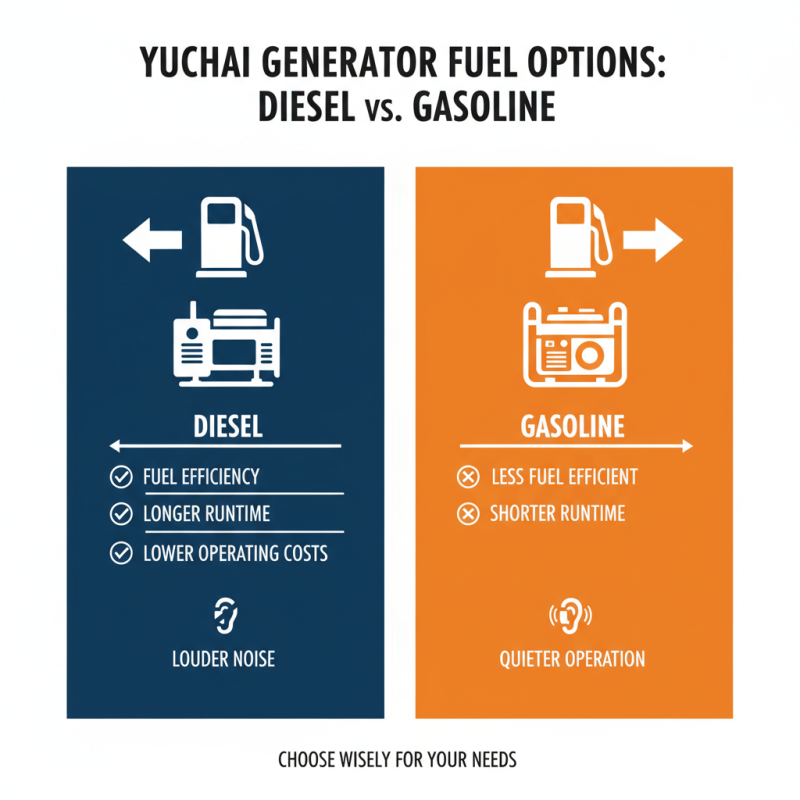
When selecting a generator set, fuel type plays a crucial role. Diesel and gasoline are the two primary options. Diesel generators typically offer better fuel efficiency. They run longer on a single tank compared to gasoline. This could reduce your operating costs over time. However, consider the noise levels; diesel engines tend to be louder.
Gasoline generators are often lighter and easier to transport. They ignite quickly, making them convenient for short-term use. This means they are great for emergency situations. However, their fuel consumption can lead to higher costs if used frequently.
**Tips:** Think about your power needs. If you require continuous operation, diesel might be the better choice. For sporadic use, gasoline can suffice. Always factor in the maintenance costs for each type. Diesel engines can last longer, but they may need more specialized care. Reflect on your specific needs to make an informed decision.
Assessing Maintenance and Support Services for Yuchai Generators
When evaluating maintenance and support services for generator sets, it's essential to focus on reliability. A 2022 industry report by the Energy Research Institute highlights that approximately 30% of generator failures stem from inadequate maintenance. Regular service can prevent unexpected downtimes. Ensure the maintenance plan includes routine inspections and component replacements.
Access to qualified support is equally important. A survey conducted by Equipment Management Magazine suggests that 78% of users prioritize technical assistance when selecting generators. Prompt access to support services can significantly reduce repair time. Look for providers who offer extensive training for their technicians. Such training can lead to faster problem resolution.
Consider also the availability of spare parts. A breakdown requiring long lead times for parts can be detrimental. A recent report indicates that generator efficiency drops 15% on average during prolonged downtimes. Investing in a provider with efficient supply chain management can make a difference. Evaluate their parts inventory and response time. Reliable maintenance should foster trust and give users peace of mind.
Generator Set Usage and Maintenance Trends
Analyzing Budget Constraints and Return on Investment for Generators
When selecting a generator set, budget constraints play a major role. Many individuals and businesses focus primarily on the initial cost. However, understanding the long-term return on investment (ROI) is equally essential. A cheaper generator may seem appealing. Yet, it could have higher maintenance costs or a shorter lifespan. Invest time in exploring various options to avoid overspending in the future.
To calculate ROI, consider fuel efficiency and operating costs. Generators with higher efficiency often cost more upfront. However, they can save you money in the long run. Examine warranty options, as a good warranty can reduce future repair expenses. Interviewing current users can provide valuable insights. They can highlight benefits or issues you've not considered. While one brand might excel in performance, another could shine in reliability. Balance these factors to make an informed decision.