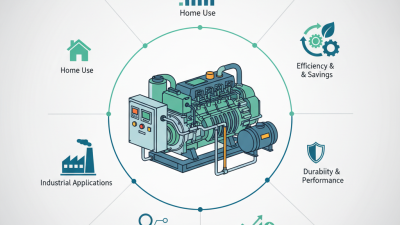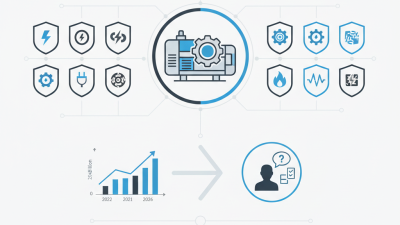

Choosing the right Cummins Generator Set can significantly impact your energy needs. It's essential to assess your requirements carefully before making a decision. A Cummins Generator Set is known for its reliability and efficiency. However, not all models fit every situation.
Consider your power demands and usage frequency. It's common for people to underestimate their needs or overestimate their capacity. An example is selecting a generator that is too small, leading to potential outages. Alternatively, an oversized generator can lead to unnecessary costs.
Research the features of different Cummins Generator Set models. Look at fuel efficiency, noise levels, and maintenance ease. A generator may look good on paper but fail in real-world applications. User reviews and expert opinions often highlight these discrepancies. Pay attention to warranty and support options. These factors can greatly affect your satisfaction over time.
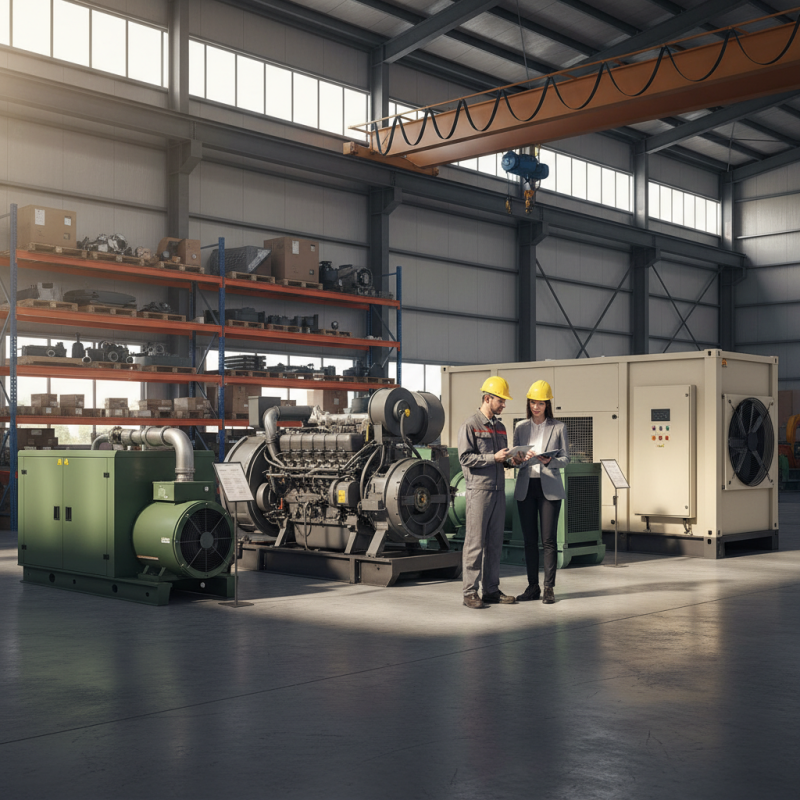
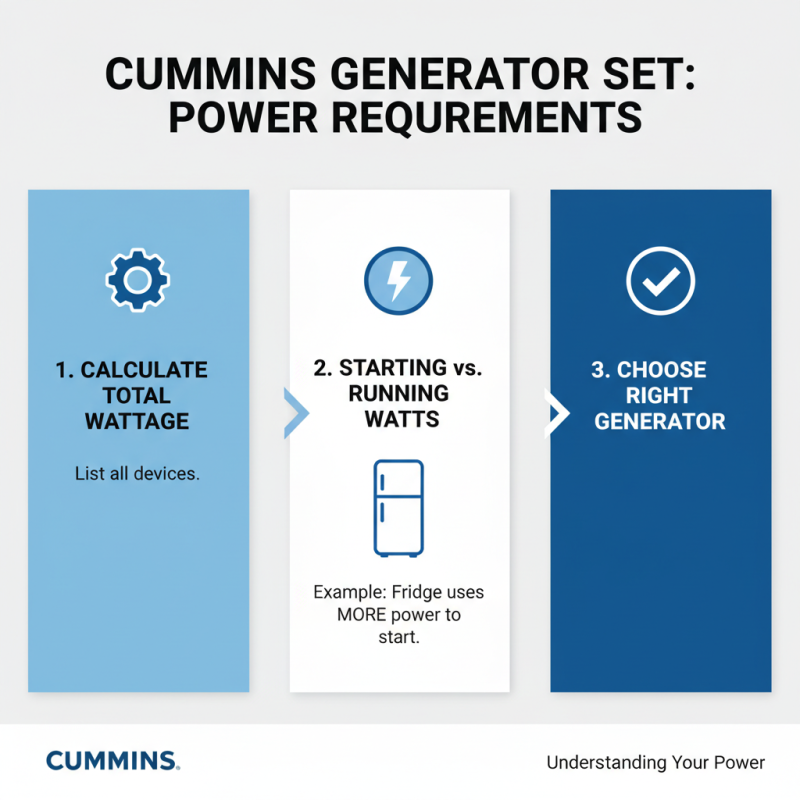
Choosing the right generator set requires a clear understanding of your power needs. Begin by calculating your total wattage requirements. Do a comprehensive list of all devices you intend to power. Consider starting and running wattages, as they can differ significantly. For instance, appliances like refrigerators often require more power when starting.
The National Electrical Manufacturers Association (NEMA) suggests overestimating your needs by at least 20%. This buffer accommodates unexpected power surges and ensures optimal performance. Power management tools can help monitor your usage, providing insights into patterns and peaks. Failing to assess your needs accurately may lead to underperformance or unnecessary expenses.
In addition to wattage, factor in runtime and fuel type. Some users may prioritize longer runtimes, while others might seek portability. Preferences can shift based on location and frequency of use. Research indicates that around 40% of users often overlook these details in their purchase decisions. Balancing power output with practical aspects enhances reliability and efficiency.
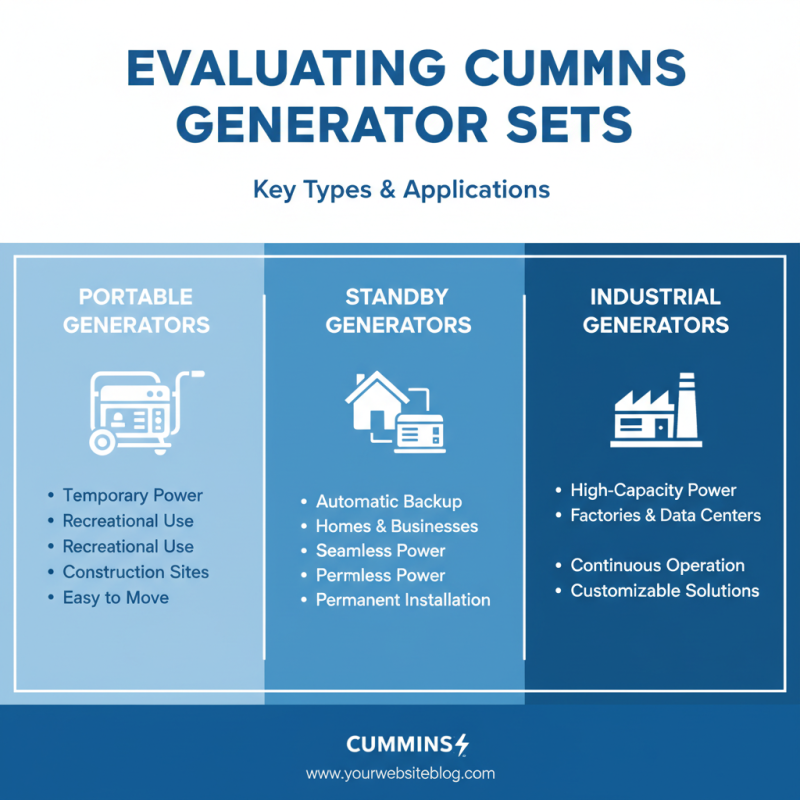
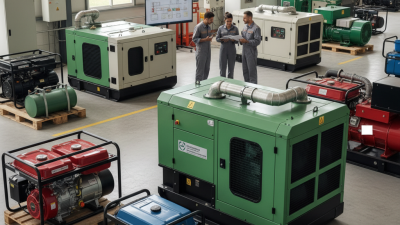
When selecting a Cummins generator set, it's crucial to understand the various types available. Many options exist, such as portable generators, standby generators, and industrial generators. Each type serves different needs and applications. For instance, portable generators are ideal for temporary power, while standby generators provide seamless backup power for homes and businesses.
Consider power output when choosing a generator. For a basic residential setup, a generator with 5,000 to 7,500 watts can suffice. In contrast, larger industrial setups may require generators that deliver over 1,000 kW. According to industry reports, the global generator market is projected to reach $28 billion by 2027, highlighting the increasing demand for reliable power sources.
Tips: Assess your power needs accurately. Factor in peak loads to avoid an underpowered system. Don't overlook fuel efficiency. Many generators boast advanced technology for lower operational costs. Always compare warranties and service options before making a purchase. Some users may find the installation process challenging, leading to unexpected downtime and costs. Ensure that you have a skilled technician for proper setup.
When selecting a generator set, several key features should guide your decision. First, consider the power output requirements. Assess your energy needs based on the appliances and equipment you intend to run. The generator set should offer a little more capacity than your total demand to ensure reliability. Studies show that a unit with a capacity 20% above your needs can effectively handle startup surges.
Fuel type is another vital aspect. Diesel generators are typically more durable and fuel-efficient compared to gasoline options. According to industry reports, diesel units can achieve efficiencies of up to 30% better than gasoline models. However, maintenance may require more attention, as diesel engines can develop issues if not used regularly.
Noise levels should not be underestimated. Generators can be loud, impacting your comfort and that of your neighbors. Look for models designed for quieter operation, ideally below 60 dB at full load. This reduces any potential disturbances while ensuring performance. Keep in mind that portability can also affect your choice, especially for construction sites or outdoor events.
Research indicates that users often overlook maintenance costs and available support when choosing a generator. A generator is an investment. Ensure you understand its long-term upkeep and associated expenses to avoid surprises down the road. This insight will support a more informed decision when selecting the right unit for your needs.
| Feature | Description | Importance Level |
|---|---|---|
| Power Output | Measured in kilowatts (kW), indicates the generator's capacity to supply power. | High |
| Fuel Type | Common options include diesel, natural gas, and propane. | Medium |
| Portability | The ease of moving the generator; important for temporary power needs. | Medium |
| Noise Level | Measured in decibels (dB); lower noise levels are preferable in residential areas. | High |
| Run Time | Duration the generator can operate on a single tank of fuel. | High |
| Installation Type | Portable vs. standby generators; influences the setup and installation complexity. | Medium |
| Warranty and Support | Length and terms of warranty; availability of customer support. | High |
When selecting a generator set, fuel types can significantly impact efficiency. Diesel generators are typically favored for their high energy output and durability. They perform well under heavy loads and are often seen in industrial applications. However, diesel may not be the most efficient choice for smaller tasks or residential use.
Gasoline generators provide a lighter option. They are generally easier to transport and start quickly. Yet, they may not be as fuel-efficient as diesel. Considering the intended use is crucial. For instance, if you need frequent, prolonged power, a diesel unit could be the best choice despite its higher upfront cost.
Another option is propane. It burns cleaner than diesel and gasoline. This can lead to lower emissions and less environmental impact. However, its availability can be inconsistent, particularly in remote areas. These factors require careful thought. Assessing your power needs and fuel availability is critical in making an informed decision. There are trade-offs to consider, and balancing them with your specific needs is key.
When selecting a Cummins generator set, the size and capacity are critical factors. Understanding your specific power needs ensures you choose a generator that performs efficiently. According to industry reports, a generator should ideally operate at around 70-80% of its maximum capacity. This balance optimizes fuel efficiency and prolongs the generator's lifespan.
Consider your power requirements carefully. For instance, a small construction site may need a generator capable of supplying 30 kW, while larger projects may require 100 kW or more. Assess the total wattage of all equipment. This calculation helps in choosing an appropriate model. Many users underestimate their needs, leading to equipment overloads.
In selecting a generator, also reflect on potential future demands. If your power requirements might increase, consider a larger capacity unit. Evaluating the ambient conditions where the generator will be used is also crucial. High temperatures or altitude can affect performance, leading to inefficiencies. Balancing these factors can lead to a more reliable and effective power solution.