
Welcome to our websites!
nybjtp

What Is a Yuchai Generator Set and How Does It Work?

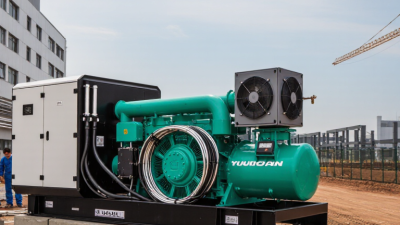
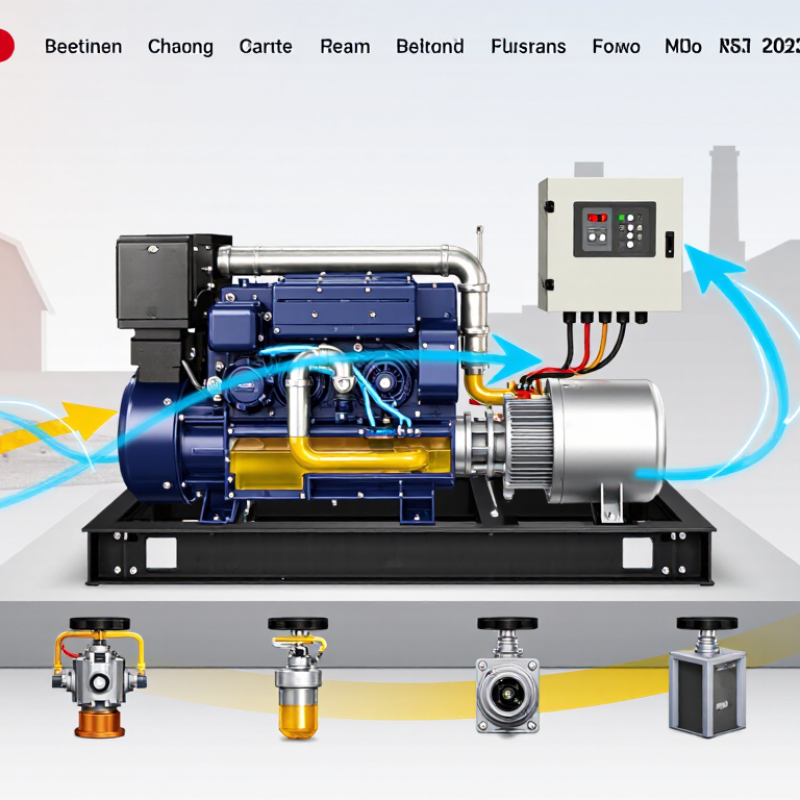
A Yuchai Generator Set combines a Yuchai diesel engine, an alternator, a control system, and protective equipment. Together, these components convert fuel energy into dependable electrical power. The engine creates mechanical rotation. The alternator changes that rotation into electricity. The control panel then regulates voltage, frequency, and operating safety.

Power-generation author Paul Breeze explains the basic principle clearly: “A generator converts mechanical energy into electrical energy.” This simple statement helps readers understand the Yuchai Generator Set without unnecessary technical language. Yet the real process involves careful coordination. Fuel injection must remain precise. Cooling systems must control engine temperature. Lubricating oil must reduce friction inside moving parts.

During operation, the engine turns the alternator rotor. Magnetic movement produces an electrical current inside the stator. Sensors monitor pressure, temperature, speed, and voltage. If a serious fault appears, the controller can stop the set automatically. That protection matters on construction sites, farms, factories, hospitals, and backup installations.

A practical example makes the system easier to picture. Imagine a Yuchai Generator Set starting during a power outage. The engine accelerates, the controller checks stable speed, and the alternator begins supplying electricity. Lights return first. Pumps and machines follow, depending on available capacity.

However, no explanation should make the equipment sound effortless. Poor maintenance can cause overheating, unstable output, or difficult starting. Some specifications also vary between models. Checking the manual remains essential. This guide will examine how each component works, how power moves through the system, and what operators should inspect before relying on it.
What Is a Yuchai Generator Set and How Does It Work?

Yuchai Generator Set: Definition, Purpose, and Main Applications

A generator set is an integrated power system that combines a diesel engine, alternator, fuel system, control panel, and cooling equipment. Its purpose is to supply electricity when the utility grid fails or cannot reach a site. It can also support temporary power needs, peak-load management, and remote operations.

In practical use, the engine burns diesel fuel and produces mechanical rotation. The alternator converts that rotation into electrical energy. The control panel regulates voltage, frequency, and automatic startup.

Simple in principle.

These generator sets serve construction sites, factories, farms, hospitals, offices, and telecommunications facilities. A construction crew may use one to operate welding machines, pumps, and lighting. A hospital needs stable backup power for essential equipment. Remote sites often depend on generators for longer periods.

During field inspections, technicians usually check oil levels, coolant temperature, battery voltage, exhaust color, and unusual vibration.

Real installations are rarely perfect. Poor ventilation, undersized cables, or neglected fuel can reduce performance. Rated capacity also does not mean every load is safe at once.

Tips:

Match the generator size to the starting and running loads. Leave clear space around air inlets and exhaust outlets. Test automatic transfer functions under controlled conditions. Keep a maintenance log with dates, operating hours, and replaced parts. Do not ignore small leaks or repeated alarms. They may indicate larger problems. Load testing is useful, but site conditions can change. Recheck the system after adding motors, heaters, or other high-demand equipment.

Core Components of a Yuchai Generator Set

A generator set combines a diesel engine, an alternator, a control system, and supporting equipment. The engine burns fuel to produce mechanical rotation. The alternator converts that rotation into electrical power through magnetic fields. This relationship is simple, but each component must remain balanced.

The fuel system includes the tank, filters, injection pump, and injectors. Clean fuel helps protect the injection parts from premature wear. The cooling system uses a radiator, fan, water pump, and coolant. It removes heat from the engine block during extended operation. The lubrication system sends oil through bearings, pistons, and other moving surfaces. Without correct oil pressure, damage can develop quickly. Small leaks matter.

The control panel monitors voltage, frequency, oil pressure, coolant temperature, and engine speed. An automatic voltage regulator helps keep output stable when loads change. Batteries and a starter motor provide the initial crank. The frame supports the engine and alternator, while vibration mounts reduce movement. An exhaust system carries combustion gases away from the operating area.

In practical maintenance, operators should check fluid levels, battery terminals, belts, and radiator fins before starting. Dust can restrict airflow, even when the engine looks clean. A loose connection may cause unstable voltage. Readings are not always perfect, so unusual noise or vibration deserves attention. I have found that routine inspection often reveals problems earlier than a warning light. That habit is easy to underestimate.

How a Yuchai Diesel Engine Produces Mechanical Power

A diesel generator set converts fuel energy into mechanical power through a compression-ignition engine. The process begins when filtered air enters the cylinder and the piston compresses it sharply. This compression raises the air temperature. A precisely timed fuel injection then creates combustion, forcing the piston downward. The connecting rod transfers this force to the crankshaft, which produces rotary motion for the alternator.

The engine’s power depends on torque and speed, expressed as P = 2πNT/60. N represents crankshaft speed, while T represents torque. Higher torque can support heavier electrical loads, but it also increases fuel use and thermal stress.

The U.S. Energy Information Administration reports that diesel contains about 137,381 British thermal units per gallon. Much of that energy becomes heat, friction, and exhaust, rather than useful shaft power. Real engines are efficient, not perfect.

In field operation, stable combustion requires clean fuel, correct injection timing, adequate cooling, and proper lubrication. The International Energy Agency’s Electricity 2024 report projected global electricity demand growth of about 4% in 2024, increasing pressure on reliable backup generation.

However, rated output can be misunderstood. A set may deliver standby power briefly, but continuous operation demands lower loading and stricter maintenance. Cold starts, clogged filters, and poor ventilation can reduce performance. The explanation is simple, but real troubleshooting rarely is.

How the Alternator Converts Engine Power into Electricity

A Yuchai generator set combines a diesel engine, alternator, control panel, and cooling system. The engine supplies mechanical torque through a coupling. Inside the alternator, the rotating field creates a changing magnetic flux across stationary copper windings. Faraday’s law then produces alternating voltage. The output frequency depends on speed and pole count: f = P × N ÷ 120. A two-pole alternator running at 3,000 rpm produces 50 Hz.

The automatic voltage regulator adjusts field current when loads change. This helps maintain stable voltage for motors, pumps, and sensitive electronics. However, voltage stability is never perfect. Cable length, temperature, fuel quality, and sudden starting currents can affect performance. The International Energy Agency reported that data centres used about 460 TWh of electricity globally in 2022. Its Electricity 2024 report projects demand could exceed 1,000 TWh by 2026. Reliable standby generation therefore depends on more than engine size.

Tips: Check frequency, voltage, phase balance, and load percentage during testing. The U.S. Environmental Protection Agency recommends proper maintenance and emissions control for stationary compression-ignition engines. Keep terminals clean and inspect bearings for heat or unusual noise. A practical test should include step loading, not only an unloaded start. Small oversights matter. Record readings before service, because memory is unreliable.

How an Engine-Driven Alternator Converts Mechanical Power into Electricity

A diesel engine rotates the alternator rotor, creating a rotating magnetic field. The stator windings then produce a balanced three-phase alternating voltage. The waveform below represents one 50 Hz electrical cycle at a nominal 400 V line-to-line output, equivalent to approximately 230 V phase-to-neutral.

Key relationship: mechanical rotation is converted into electrical energy through electromagnetic induction. For a four-pole alternator operating at 50 Hz, the synchronous speed is 1,500 revolutions per minute.

Control, Cooling, Fuel, and Exhaust Systems in Operation

A diesel generator set converts fuel energy into electrical power through a controlled engine and alternator system. The control panel monitors voltage, frequency, oil pressure, coolant temperature, and engine speed. It can start the unit automatically when the main power fails. Operators should check alarms before accepting the load. A quick glance is not enough.

The cooling system keeps engine temperature within a safe operating range. A radiator, fan, water pump, and thermostat work together during operation. Dust on the radiator fins can restrict airflow and raise coolant temperature. In hot or enclosed rooms, this problem appears quickly. Regular cleaning and correct coolant levels matter. In practice, sensor readings are not always perfect, so unusual heat, smell, or noise deserves inspection.

The fuel system moves clean diesel from the tank to the injection equipment. Filters remove water and particles that could damage precision components. Stable fuel flow supports steady engine speed and electrical frequency. The exhaust system carries combustion gases outside through piping, silencers, and flexible connections. It must prevent leaks near air intakes or occupied spaces. Carbon monoxide has no reliable warning smell. Ventilation is essential. A loose exhaust joint can also create dangerous heat around cables or insulation. Maintenance records should include filter changes, coolant checks, battery condition, and loaded test runs. Some operators test only during emergencies, which is a practical weakness. A generator may start successfully without handling its rated load.

What Is a Generator Set and How Does It Work? — Control, Cooling, Fuel, and Exhaust Systems in Operation

System or Component Primary Function Typical Operating Data How It Works in Operation Key Monitoring and Protection Features
Diesel Engine Converts the chemical energy in fuel into mechanical shaft power. Four-stroke compression-ignition cycle; typical governed speed of 1,500 rpm at 50 Hz or 1,800 rpm at 60 Hz. Air is compressed in the cylinder, fuel is injected near the end of compression, and combustion drives the piston and crankshaft. Low oil pressure, high coolant temperature, overspeed, underspeed, and emergency shutdown protection.
Alternator Transforms engine rotation into three-phase electrical power. Common output voltage ranges include 380–415 V at 50 Hz or 400–480 V at 60 Hz, depending on configuration. The rotating magnetic field induces voltage in the stator windings while the excitation system regulates the output. Voltage, frequency, current, phase sequence, winding temperature, and overload monitoring.
Automatic Voltage Regulator Maintains stable generator output voltage as the electrical load changes. Typical voltage regulation is approximately ±1% under steady operating conditions, subject to system design. Continuously senses terminal voltage and adjusts the alternator excitation current to correct deviations. Overvoltage, undervoltage, excitation loss, and voltage-sensing fault alarms.
Electronic Governor Controls engine speed and helps maintain stable output frequency. Frequency is normally maintained at 50 or 60 Hz; speed droop is commonly adjustable around 3–5% for load sharing. The governor compares actual speed with the target value and adjusts fuel delivery through the actuator. Overspeed shutdown, actuator fault detection, unstable-speed alarms, and frequency limits.
Control Panel Starts, stops, protects, and communicates the operating status of the generator set. Typical functions include manual, automatic, and remote-start modes with event logging and configurable time delays. Sensors send engine and electrical data to the controller, which then issues commands to the starter, fuel system, breaker, and alarms. Emergency stop, start failure, low fuel, battery voltage, breaker status, and communication alarms.
Starting System Cranks the engine until combustion becomes self-sustaining. Common systems use a 12 V or 24 V direct-current battery bank and an electric starter motor. The controller energizes the starter relay; the starter rotates the crankshaft while fuel and air systems prepare for ignition. Low battery voltage, charger failure, excessive cranking time, and repeated-start lockout.
Fuel Tank and Supply Circuit Stores and delivers clean diesel fuel to the engine. Fuel consumption varies with rating and load; a practical planning range is about 0.22–0.30 L/kWh for many diesel generator sets. A lift or transfer pump moves fuel through filters to the injection system; unused fuel may return to the tank. Fuel level, water contamination, filter restriction, leakage, and low-supply-pressure monitoring.
Fuel Injection System Delivers accurately metered fuel at high pressure and at the correct injection timing. Modern systems may operate with injection pressures above 1,000 bar, depending on engine design. The control unit adjusts injection quantity and timing according to speed, load, temperature, and emissions requirements. Fuel-pressure deviation, injector fault, rail-pressure fault, and diagnostic trouble codes.
Cooling System Removes heat from the engine and maintains a suitable operating temperature. Pressurized liquid-cooling systems commonly regulate coolant near 80–95°C during normal operation. A water pump circulates coolant through engine passages and the radiator; a thermostat controls flow as temperature changes. High coolant temperature, low coolant level, fan failure, radiator blockage, and coolant leakage.
Radiator and Cooling Fan Transfers engine heat from the coolant to the surrounding air. Cooling capacity must account for engine heat rejection, ambient temperature, altitude, and enclosure airflow. The fan draws or pushes air through radiator fins while heated coolant releases energy to the airflow. Fan-drive condition, airflow restriction, high ambient temperature, and radiator differential pressure.
Air Intake and Turbocharger Supplies combustion air and increases the air mass available to the engine. Turbocharged intake systems can operate with boost pressure above atmospheric pressure, depending on load and design. Exhaust energy spins the turbine, which drives the compressor to force additional air into the cylinders. Air-filter restriction, boost-pressure deviation, intake temperature, and turbocharger overspeed protection.
Exhaust Manifold and Muffler Collects combustion gases, reduces noise, and routes exhaust safely away from the engine. Exhaust gas temperature varies with load and engine design; high-temperature surfaces require thermal protection. Exhaust gases leave the cylinders through the manifold, pass through emission-control and silencing equipment, and exit through the exhaust pipe. High exhaust temperature, excessive back pressure, leaks, insulation condition, and emission-system faults.
Load-Bearing and Electrical Protection Connects the generator to the facility load and interrupts unsafe electrical conditions. Circuit-breaker selection is based on rated current, short-circuit capacity, voltage, and coordination requirements. The breaker closes after voltage and frequency stabilize, then opens during overload, short circuit, maintenance, or shutdown conditions. Overcurrent, short circuit, earth fault, reverse power, underfrequency, and overfrequency protection.
Exhaust and Ventilation Arrangement Removes combustion gases and supplies sufficient air for cooling and combustion. The installation must be designed to keep room temperature, exhaust back pressure, and carbon-monoxide exposure within applicable limits. Fresh air enters through dedicated openings, heated air is discharged, and exhaust gases are routed outdoors through a sealed system. Room temperature, airflow failure, carbon-monoxide detection, exhaust leakage, and back-pressure alarms.

Note: Operating values are representative engineering ranges for diesel generator sets. Actual values depend on generator rating, engine configuration, ambient conditions, fuel quality, installation design, and applicable regulations.