How to Choose a Wolver Generator Set for Your Needs
Choosing a Wolver Generator Set is not simply a matter of selecting the largest kilowatt rating. The right choice starts with how your site uses power, and what must keep running during an outage. The International Energy Agency’s Electricity 2024 report projects global electricity demand will grow by an average of 3.4% annually through 2026. That forecast describes broad demand, not your facility’s needs. Still, it highlights why dependable backup planning deserves careful attention.
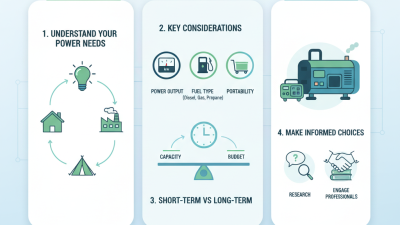
Start with a practical load list: lighting, refrigeration, pumps, controls, and any equipment with a heavy starting current. A pump may draw much more power when it starts than while it runs. Small details matter. Record running and starting loads, then ask a qualified supplier to check the calculations against the generator’s operating conditions. Altitude, ambient heat, fuel availability, runtime, and noise limits can all affect the choice. ISO 8528 rating categories can also help distinguish standby, prime, and continuous-duty applications. Check the manufacturer’s documentation for the specific model; ratings and features vary. A tidy spreadsheet can still miss an awkward startup sequence. That is worth a second look. This guide explains how to compare capacity, fuel, installation needs, and service support, so your Wolver Generator Set is sized for real operating demands—not guesswork.
Identify the Purpose and Typical Loads of the Generator Set
Before choosing a Wolver generator set, identify what it needs to power and when. A home backup system may serve a refrigerator, lights, and a sump pump. A workshop may need to run compressors or saws with strong startup surges. Write down each appliance’s rated watts and voltage. Then check its starting demand, especially for motors. Small details matter.
Separate essential loads from equipment that can wait. Note which items run together, and estimate their total demand during the busiest period. A pump starting while a heater is running can create a brief load spike. Check whether the equipment requires single-phase or three-phase power, and confirm that the generator can supply the correct voltage and frequency. Sensitive electronics may need steadier power than basic lighting. When ratings are unclear, consult the equipment manuals or a qualified electrician rather than guessing.
A practical load list is useful, but it is not perfect. Work schedules change, and people often add appliances later. Leave suitable capacity for realistic additions, without sizing so large that fuel use and purchase cost become needless burdens. Be specific. “Backup power” is not a load plan. A short site walk can reveal overlooked items, such as a garage freezer or a control panel that must remain online.
Calculate the Required Power Capacity and Starting Demand
Choosing a generator set starts with a careful load list, not the largest number on an appliance label. Record each device’s running watts, then identify motors or compressors that need extra power at startup. A refrigerator might run quietly at a few hundred watts but briefly demand much more when its compressor kicks in. Check the equipment manuals for starting or surge ratings. If those figures are missing, ask a qualified electrician rather than guessing.
Add the running loads you expect to use at the same time. Then account for the largest startup demand that may occur while those loads are operating. For example, a pump starting while lights and a refrigerator are on can create a short, sharp peak. Leave a practical reserve, and check whether the generator’s rated output is continuous or only a brief surge rating. Heat, altitude, and long extension cords can also reduce usable capacity. Real conditions are messy.
Tips: Write down the loads and their startup watts. Avoid starting several motor-driven appliances together. Compare your total with the generator’s continuous rating, allowing extra capacity for expected derating. Recheck the list if your needs change; estimates are easy to get slightly wrong.
| How to Choose a Wolver Generator Set for Your Needs - Calculate the Required Power Capacity and Starting Demand |
| Example Load Profile |
Other Running Loads (kW) |
Largest Motor (kW) |
Motor Power Factor |
Starting Multiplier |
Motor Starting Demand (kVA) |
Estimated Peak Demand (kVA) |
Target with 20% Reserve (kVA) |
Suggested Generator Rating (kVA) |
| Small cabin with a well pump |
2.5 |
0.75 |
0.80 |
3.0× |
2.81 |
5.59 |
6.71 |
7.5 |
| Typical home with a water pump |
4.0 |
1.5 |
0.80 |
3.5× |
6.56 |
11.01 |
13.21 |
15 |
| Small workshop with an air compressor |
7.0 |
3.0 |
0.82 |
4.0× |
14.63 |
22.41 |
26.89 |
30 |
| Farm with an irrigation pump |
9.0 |
5.5 |
0.85 |
3.5× |
22.65 |
32.65 |
39.18 |
40 |
| Small construction site with a large motor load |
15.0 |
7.5 |
0.85 |
3.5× |
30.88 |
47.55 |
57.06 |
60 |
|
Calculation assumptions: Other running loads are estimated at a 0.90 power factor. Motor starting demand is calculated as motor running kW ÷ motor power factor × starting multiplier. Estimated peak demand adds the motor starting demand to the other loads’ running kVA; the 20% reserve allows for load variation. These examples assume the largest motor starts while other motors are already running, and do not include simultaneous motor starts. Confirm actual equipment nameplate data, generator kW and kVA ratings, and starting performance before selecting a set.
|
Compare Fuel Type, Runtime, and Generator Configuration
Choosing a generator set starts with the fuel available at the site. Diesel suits long, demanding operation, while natural gas can work well where a steady gas supply exists. Propane stores conveniently, but tank size affects how long the unit can run. Gasoline may suit occasional portable use, though storage and refueling need attention. Runtime depends on load, fuel capacity, and maintenance—not just the number printed in a specification sheet. I still find runtime estimates easy to overread. Check expected hours at your actual load, then leave a margin for refueling or delays.
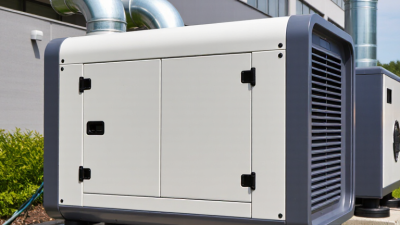
Configuration matters just as much. A portable unit can serve temporary work or backup for selected equipment. A fixed standby system may connect to essential circuits through a properly designed transfer arrangement. Match single-phase or three-phase output to the equipment; a mismatch can prevent motors from starting reliably. Noise matters, too. Enclosures can reduce sound and protect components, but they also affect access and airflow. That detail gets missed. List the devices that must run together, their starting demands, and the site’s ventilation needs before comparing models. If the load estimate feels uncertain, have a qualified technician review it. A little extra capacity may help, but oversizing can waste fuel and money.
Assess Installation Conditions, Noise, and Environmental Factors
A generator set’s location affects safety, service life, and usable output. Measure the delivery route, doorway width, and turning space before selecting a unit. Check clearance for cooling airflow, exhaust, and routine maintenance. A tight enclosure may look practical, but it can trap heat and complicate repairs. Noise needs field attention. NIOSH’s 1998 Criteria for a Recommended Standard: Occupational Noise Exposure sets an 85 dBA recommended limit for an eight-hour workday. This is occupational guidance, not a guarantee of comfort for nearby residents. Measure sound where people work or live, under realistic load, rather than relying only on a catalog rating.
Outdoor conditions matter just as much. High temperatures and altitude can reduce available engine output; confirm any derating with the supplier’s performance data. Dust, salt spray, and persistent moisture can shorten component life, so consider filtration, corrosion protection, and a sheltered—but ventilated—location. Keep exhaust away from doors, windows, and air intakes, and check that prevailing winds will not carry fumes toward occupied areas. Drainage is easy to overlook. A level pad can still sit in a low spot, where heavy rain leaves water around the enclosure. Before purchase, compare site measurements, local sound limits, and the unit’s documented operating conditions. A quick site sketch helps, though it rarely captures every obstacle.
Review Safety Features, Maintenance Needs, and After-Sales Support
Choosing a generator set means checking more than its rated output. Look for low-oil shutdown, overload protection, clear alarms, and an accessible emergency stop. Confirm the unit can be installed outdoors with exhaust directed away from doors, windows, and air intakes. The U.S. Consumer Product Safety Commission’s 2019 annual estimates reported an average of 85 deaths per year from carbon monoxide poisoning involving portable generators during 2017–2019. Treat exhaust control as essential, not optional. Small details matter.
Maintenance needs depend on runtime, fuel, load, and the maker’s service schedule. Ask for the interval between oil changes, filter replacements, battery checks, and load-bank testing. Check that filters and other routine parts are available locally. Request a sample maintenance log before buying; a neat brochure is not a service plan. A technician should be able to explain how to inspect connections and spot leaks without relying on vague promises.
After-sales support matters most when the set fails under load. Ask who handles commissioning, how quickly technicians typically respond, and whether support is available outside business hours. Get warranty exclusions and labor coverage in writing. Confirm the service team can test the actual loads your site uses, such as pumps or refrigeration. A checklist can still miss a real-world problem. Review it against your operating conditions, then ask one more question: who answers when the alarm sounds at night?