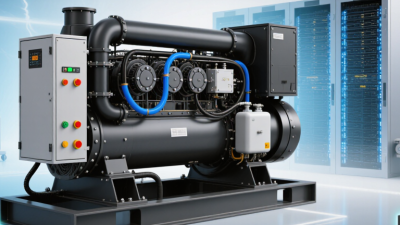
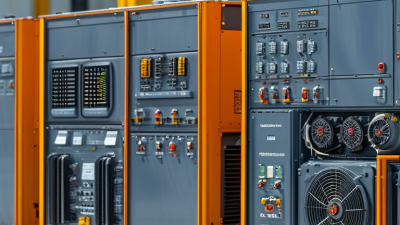
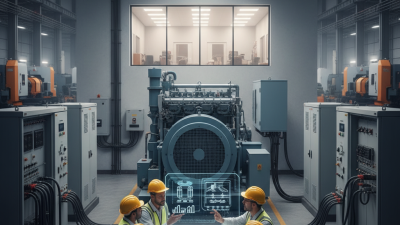
Top 10 Generator Set Manufacturers in the World
A Generator Set is more than an engine paired with an alternator. It is a dependable power system, built to start when utility supply fails or remote operations need electricity. Choosing a manufacturer means weighing performance, service access, fuel efficiency, emissions data, and parts availability. The best-known name may not be the best fit.
Diesel-engine pioneer Clessie Cummins’ work can be summed up in this practical line: “Reliable power must work where it is needed.” This is an editorial paraphrase, not a verified verbatim quotation. It captures an important point: specifications matter, but so do maintenance and real operating conditions. A hospital, construction site, data center, and farm all place different demands on a generator set. Small details matter. Think cold starts, uneven loads, noise limits, and the distance to the nearest service technician.
This Top 10 overview compares manufacturers through those practical considerations, alongside product range, engineering capability, global support, and reputation. Company rankings can never fit every application perfectly. That deserves a second look. Buyers should confirm the required load, operating hours, installation conditions, and local service arrangements before making a decision. A polished brochure cannot replace a correctly sized system or qualified technical advice. Our aim is to make the leading options easier to compare, not to suggest that one manufacturer suits every project.
What a Generator Set Is and Where It Is Used
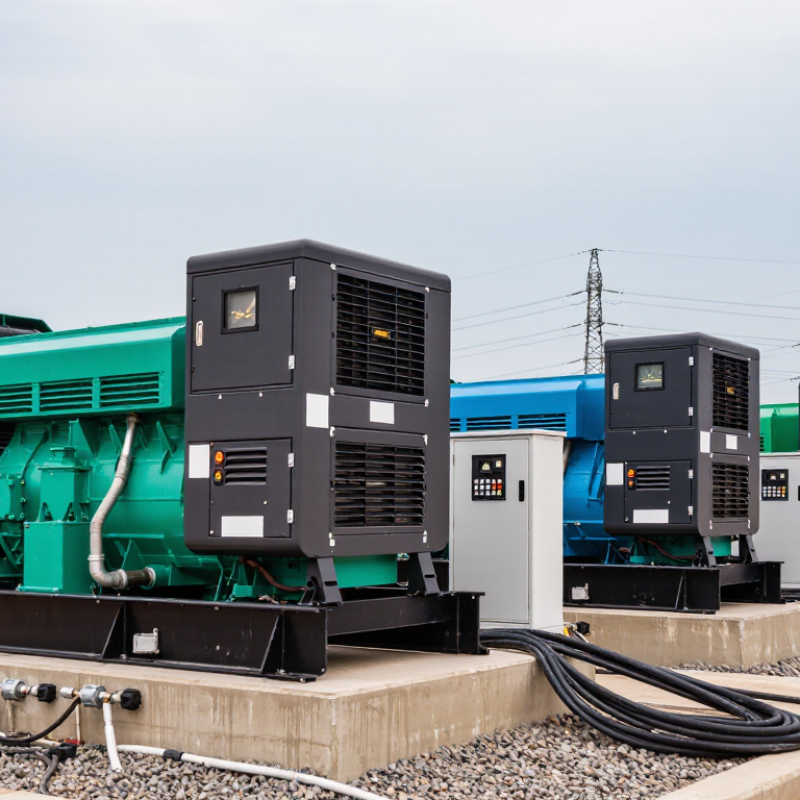
A generator set, or genset, combines an engine with an alternator to produce electricity. Its controls, cooling system, and fuel supply help it operate safely under changing loads. When utility power fails, an automatic transfer switch can connect a standby unit to selected circuits. The lights may stay on, but not every building system will necessarily be covered.
Gensets serve hospitals, construction sites, farms, telecom equipment, and remote facilities where grid power is limited or unreliable. Some provide emergency backup; others supply regular power at off-grid locations.
The IEA’s Electricity 2024 report projected global electricity demand would grow by close to 4% annually through 2025. Its analysis also estimated that data-centre electricity use could exceed 1,000 terawatt-hours by 2026. These figures do not measure genset demand directly, but they help explain why dependable backup planning matters.
Still, a generator is not a magic fix. Correct sizing must account for starting surges, site conditions, and the loads that truly need power. Regular testing matters, too. A poorly maintained unit may fail precisely when needed, while fuel storage, exhaust, and noise require practical attention.
How the Global Generator Set Industry Is Structured
The global generator set industry is structured around manufacturers, component suppliers, system integrators, and local service networks. Manufacturers may design complete sets or focus on engines, alternators, controls, and enclosures. Integrators combine these parts to meet site-specific needs, such as a hospital’s standby power requirements or a construction site’s portable supply. That distinction matters. A company with broad production capacity may rely on regional partners for installation and maintenance.
The picture is not perfectly tidy. Demand varies by application, fuel availability, climate, and grid reliability. Data centers often require rapid response and carefully coordinated backup systems, while remote facilities may prioritize fuel storage and easy servicing. Regional distributors provide spare parts and technician support, which can shape a buyer’s experience as much as factory specifications do. When comparing the world’s leading manufacturers, useful measures include output range, testing practices, emissions performance, and service coverage. Rankings can still miss the practical details: a capable set is less useful if parts take weeks to arrive. Small differences matter. A service plan deserves close attention, though buyers sometimes give it too little weight.
Criteria for Comparing Leading Generator Set Manufacturers
A useful comparison starts with the duty the generator set must perform. Check rated output, voltage, frequency, and whether the rating covers continuous, prime, or standby use. These figures are not interchangeable. Ask for fuel-consumption data at several load levels, not only at full output. Numbers need context.
Next, examine performance and build details. Compare engine and alternator specifications, control-panel functions, cooling arrangements, and response to sudden load changes. A hospital, workshop, and remote site may need very different features. Request test results and confirm the stated operating conditions, including temperature and altitude. A polished specification sheet can still leave important questions unanswered.
Reliability also depends on support after delivery. Review parts availability, technician coverage, maintenance intervals, warranty terms, and the time needed for routine service. Check noise and emissions data against the project’s actual requirements. No scorecard is perfect. Weight each criterion by the cost of failure at your site, then compare total ownership costs alongside the purchase price. I would still treat any ranking cautiously: published data may use different test methods, and a neat spreadsheet cannot predict every installation problem.
Generator Set Comparison Criteria: ISO 8528-5 Performance Classes
Steady-state frequency and voltage deviation limits provide a standardized way to assess generator set performance. Lower limits indicate tighter control.
Values show maximum steady-state deviation limits: frequency in percent of rated frequency and voltage in percent of rated voltage. These are standard performance-class limits, not ratings of individual manufacturers. Source: ISO 8528-5.
Top 10 Generator Set Manufacturers in the World
A global list of the top 10 generator set manufacturers can offer a useful starting point, but rankings depend on what buyers value. One project may need reliable standby power for a hospital, while another needs continuous output at a remote worksite. The best fit depends on rated power, fuel use, operating conditions, and local service support. Look beyond headline specifications. Ask how a set performs under changing loads, how often it needs maintenance, and whether spare parts are readily available. Small details matter.
A careful comparison should also cover the engine, alternator, control system, cooling method, noise level, and emissions data. Request test records and confirm that stated ratings match the intended duty cycle. A competent supplier should explain installation needs, commissioning, and maintenance intervals in clear terms. Rankings are imperfect. They can hide differences in regional support or product configuration, and published claims may not reflect a specific site. Check references from comparable projects when possible, then compare lifecycle costs rather than purchase price alone. A lower initial cost may bring higher fuel or service expenses later. Real sites differ.
How Manufacturers Differ by Power Range and Application
Generator-set manufacturers differ less by headline capacity than by how well their equipment fits a specific duty. Small units serve workshops, farms, and backup loads, where easy starting, low fuel use, and simple maintenance matter. Mid-range sets often support hotels, clinics, and construction sites. In these settings, stable voltage, noise control, and service access may outweigh peak output. Large industrial units are designed for continuous or mission-critical demand. Their cooling systems, alternator design, controls, and parallel operation deserve careful evaluation. Bigger is not automatically better.
Tips: Match the rating to the load profile, not just the largest figure in a brochure. Record motor starting currents, running hours, altitude, temperature, and fuel availability. Ask about load-bank testing and maintenance intervals. Can technicians reach the filters without moving the set? Small details matter.
Application changes what “best” means. A remote site may prioritize rugged enclosures and parts availability, while a data facility needs rapid response and coordinated backup systems. Hospitals require dependable transfer arrangements and documented testing, not simply a powerful engine. Compare warranty terms, local technician coverage, and noise levels under realistic loads. Specifications can look precise, yet installation conditions affect performance. Sizing estimates are only as reliable as their load data, so have an engineer verify them before purchase.