
Why Choose a Generator Set for Reliable Power?
Reliable electricity is no longer a luxury for hospitals, factories, data centers, and remote operations. The International Energy Agency’s Electricity 2024 report projects global electricity demand will grow by an average of 3.4% annually through 2026. That growth increases pressure on already complex power networks. A Generator Set provides a controlled backup source when utility power fails, fluctuates, or becomes unavailable. It can start within seconds, support critical loads, and operate independently from the public grid. That practical resilience matters beside a surgical bed, a production line, or a refrigerated warehouse.
Power interruptions remain a serious operational risk. Uptime Institute’s Annual Outage Analysis 2024 identifies power problems as the leading cause of reported data-center outages. The report also shows that many incidents create costly disruption, even when the outage lasts only minutes. A properly engineered Generator Set can reduce that exposure. However, reliability depends on more than buying a large engine. Engineers must match capacity, starting currents, fuel autonomy, emissions requirements, transfer-switch performance, and maintenance access. Oversizing wastes fuel. Undersizing creates failure.
Jennifer Rumsey, Cummins President and CEO, has said, “The energy transition is not a light switch; it is a dimmer switch.” Her observation reflects today’s mixed power reality. Grid electricity, renewables, batteries, and Generator Set systems will often work together. No solution is perfect. Fuel quality can deteriorate, batteries can weaken, and neglected testing can defeat expensive equipment. Still, with documented load studies, scheduled testing, and qualified service support, a Generator Set remains a dependable part of a resilient power strategy.
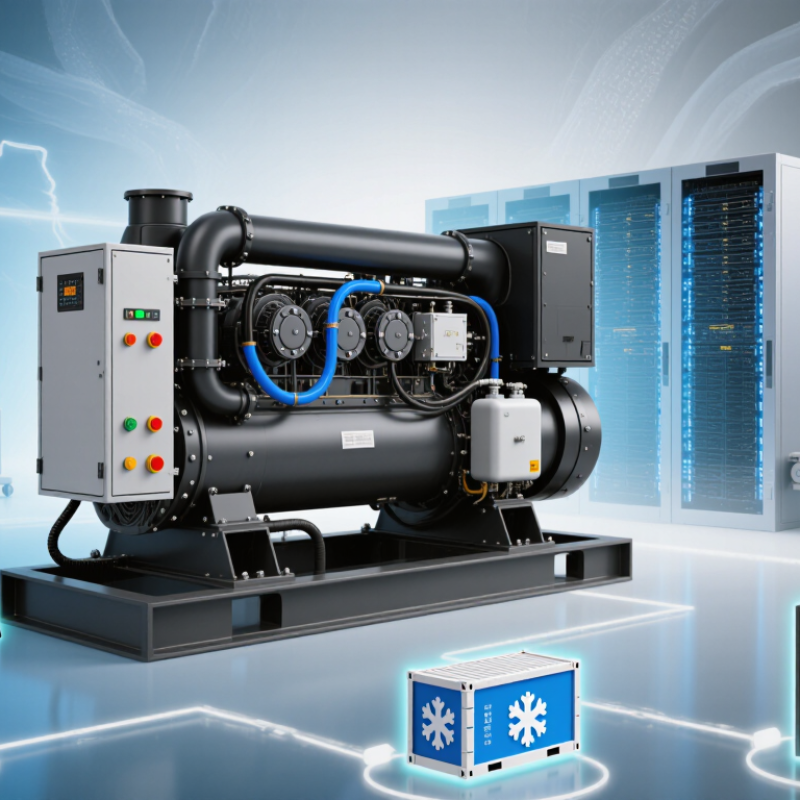
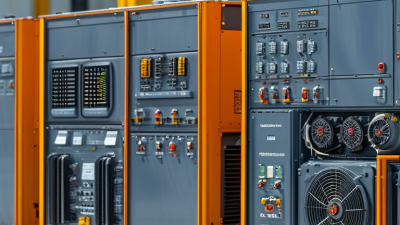
A generator set combines an engine, alternator, control system, and supporting equipment. The engine supplies mechanical power. The alternator converts that motion into electricity. Controls regulate voltage, frequency, alarms, and automatic startup. In practical commissioning, small settings matter. A weak battery can delay emergency power.
Frequency depends on engine speed and alternator design. A four-pole alternator commonly runs at 1,500 rpm for 50 Hz. It runs at 1,800 rpm for 60 Hz. The selected frequency must match the connected equipment. Otherwise, motors may overheat, clocks may drift, and sensitive systems may trip. Modern controllers can synchronize multiple sets and transfer loads smoothly. Still, automation is not magic.
The IEA’s Electricity 2024 report projects data-center electricity use will more than double by 2026, reaching about 1,000 TWh annually. That growth increases pressure on dependable backup systems. Uptime Institute’s 2024 Annual Outage Analysis reported that power problems remain a major cause of serious data-center outages. It also found 54% of respondents experienced an outage costing more than $100,000. These figures make routine testing difficult to dismiss. Operators should inspect fuel, coolant, batteries, terminals, and exhaust paths. Load-bank testing reveals weaknesses that a brief no-load start can hide. I have seen reliable-looking systems fail because maintenance records were incomplete. The uncomfortable lesson is simple: a generator set needs disciplined operation, not only a powerful engine.
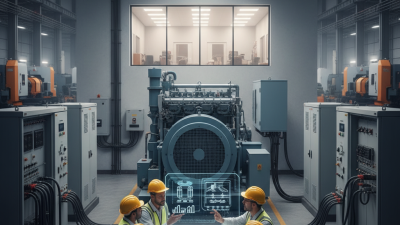
A generator set can keep essential loads operating when utility power fails. However, a generator alone does not satisfy NFPA 110 requirements. The complete emergency power supply system may include the engine, alternator, fuel supply, transfer switch, controls, batteries, ventilation, and exhaust equipment. Each part must work together under expected emergency conditions.
NFPA 110 classifies emergency power systems by performance requirements, including Type, Class, and Level. A Level 1 installation protects functions where power loss could threaten life or cause serious injury. Type 10 systems are designed to restore power within ten seconds, when that classification applies. The adopted code edition and authority having jurisdiction remain important. Requirements can vary by facility and location.
In practical testing, technicians may simulate a utility outage, observe transfer operation, and check voltage stability. The generator should start cleanly, accept the connected load, and continue running without unsafe temperature increases. Fuel quality, battery condition, alarm signals, and maintenance records also deserve attention. Small oversights matter. A neglected battery can defeat a well-sized generator.
NFPA 110 compliance requires documented inspection, testing, and maintenance procedures. Operators should review manufacturer instructions, site conditions, and local regulations together. A careful design also considers future loads, cold-weather starting, fuel storage, and access for service personnel. Reliability is not assumed because the engine starts once. It is demonstrated repeatedly.
Why Choose a Generator Set for Reliable Power?
A generator set becomes dependable when its rating matches the real workload. ISO 8528 helps define that match. Prime power supports variable loads for extended operation. Standby power covers emergency outages and temporary use. Continuous power serves steady loads for long, uninterrupted periods. These terms are not interchangeable.
On a construction site, demand may rise when several tools start together. Prime-rated equipment can manage changing loads, provided maintenance and fuel planning remain disciplined. In a hospital, standby operation may protect essential circuits during a grid failure. The unit might run for hours, but it is not intended to replace normal utility service indefinitely. Continuous operation suits remote facilities with stable demand, such as a pumping station running day and night.
Look beyond the headline number. Check the ISO 8528 operating mode, expected annual hours, load profile, and starting requirements. A 500-kilowatt set may appear adequate, yet motor starting can cause a brief voltage dip. That detail deserves a site assessment. I have seen specifications focus on peak load while ignoring low-load operation, which can reduce efficiency and increase maintenance concerns. The standard creates useful clarity, but it cannot predict every project condition. Weather, altitude, fuel quality, and service access still influence performance. A careful engineer should compare measured demand with the selected rating, then allow a realistic margin without oversizing blindly. Reliability is built through accurate assumptions, regular testing, and honest review of how the generator will actually run.
Runtime is not a tank-size promise. Load decides how quickly fuel disappears. A generator operating at 40% load may consume far less fuel than one running near its rated output. The U.S. Energy Information Administration’s Monthly Energy Review reports diesel fuel at approximately 137,381 Btu per gallon. This figure supports fuel calculations, but real consumption also depends on engine efficiency, temperature, maintenance, and altitude.
Consider a 500-liter tank. If the set consumes 25 liters per hour at 40% load, theoretical runtime reaches 20 hours. At 80% load, consumption might rise to 38 liters per hour, reducing runtime to about 13 hours. The arithmetic is simple. Field conditions are not. Starting motors, uneven demand, and frequent load changes can shorten the result.
Professional guidance from ISO 8528 stresses performance evaluation across defined load conditions, not only nameplate ratings. The Uptime Institute’s data-center surveys also repeatedly highlight operational testing and maintenance as reliability controls. I would avoid promising an exact runtime without a measured fuel curve. A practical plan records hourly load, keeps reserve fuel, and tests the generator during realistic demand. A neat estimate can still be wrong.
Why Choose a Generator Set for Reliable Power?
An automatic transfer switch monitors utility power continuously. When voltage drops or disappears, it detects the fault within fractions of a second. The switch then signals the generator set to start. In many installations, the engine reaches stable speed within several seconds. The ATS checks voltage and frequency before connecting the load. This pause protects sensitive equipment from unstable power. It may feel slow during an outage, but careful switching prevents greater damage.
In field inspections, technicians often find that generator performance depends on more than engine size. A clean fuel system, charged starting battery, and tested control panel matter just as much. Once power stabilizes, the ATS transfers essential circuits automatically. Lights return, refrigeration continues, and security systems remain active. Staff do not need to move cables in a dark electrical room. That reduces stress and limits human error.
The return process also deserves attention. After utility power remains stable for a preset period, the ATS transfers the load back. The generator usually runs through a cool-down cycle before stopping. It is not magic. A neglected battery can defeat a well-designed backup system. Testing should imitate real conditions, including startup delay and actual connected loads. Some facilities discover weak points only during this exercise. That uncomfortable finding is valuable, because it allows repairs before a genuine outage exposes them.
| Power Reliability Dimension | Typical Data or Response | How It Supports Continuity | Key Operating Consideration | Status |
|---|---|---|---|---|
| Utility Failure Detection | Automatic transfer switches continuously monitor utility voltage and frequency. | They identify abnormal conditions without requiring an operator to be present. | Detection settings should be coordinated with the facility’s voltage and frequency limits. | Automatic |
| Generator Start Command | After a confirmed outage, the transfer switch sends a start signal to the generator set. | The generator can begin preparing for the emergency load immediately. | A short start delay is commonly used to prevent nuisance starts caused by brief voltage dips. | Automatic |
| Engine Start and Voltage Build-Up | Standby generator sets commonly reach rated operating speed and acceptable voltage within approximately 5–15 seconds, depending on system size and conditions. | This allows critical loads to be supplied shortly after utility power is lost. | Battery condition, ambient temperature, fuel quality, and maintenance affect starting performance. | Typical |
| Load Transfer Time | Open-transition transfer commonly occurs within approximately 10–30 seconds after an outage, including detection, starting, and stabilization. | Critical electrical equipment can resume operation quickly without manual switching. | The actual time depends on programmed delays, generator performance, and the connected load. | Seconds |
| Automatic Load Connection | The automatic transfer switch disconnects the failed utility source and connects the generator source. | It prevents direct connection between the utility and generator, supporting safe source isolation. | Switching equipment must be correctly rated for system voltage, current, and short-circuit conditions. | Automatic |
| Generator Capacity | Standby generator sets are available from small residential ratings to multi-megawatt installations. | The system can be sized for selected emergency circuits or an entire facility. | Capacity calculations should include motor-starting current, continuous load, future expansion, and power factor. | Scalable |
| Fuel-Based Operating Time | Runtime commonly ranges from several hours to more than 24 hours, depending on generator rating, fuel-tank size, and load. | On-site fuel storage can support extended operation during prolonged utility outages. | Fuel reserves, refueling procedures, ventilation, and fuel storage regulations must be considered. | Extended |
| Return to Utility Power | After utility voltage and frequency remain stable for a programmed period, the transfer switch reconnects the utility source. | The facility can return to normal power without manual intervention. | A retransfer delay helps prevent repeated switching during an unstable utility recovery. | Automatic |
| Generator Cool-Down | After the load is transferred back to utility power, the generator commonly runs unloaded for approximately 3–10 minutes before shutdown. | Cool-down operation helps reduce thermal stress and supports controlled shutdown. | Cool-down settings should follow the generator manufacturer’s operating recommendations. | Typical |
| Testing and Maintenance | Regular exercising and inspection are commonly scheduled weekly, monthly, or according to site requirements and applicable standards. | Routine tests help verify batteries, starting systems, controls, fuel systems, and transfer operation. | Testing should be documented and performed under safe conditions with appropriate load testing when required. | Required |
Note: Response times and operating ranges are typical industry values. Actual performance depends on system design, generator size, transfer-switch settings, environmental conditions, load characteristics, and applicable electrical codes.