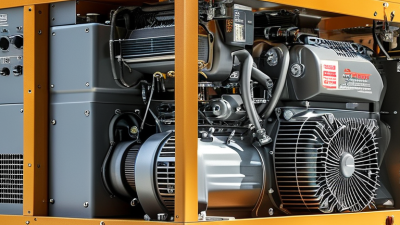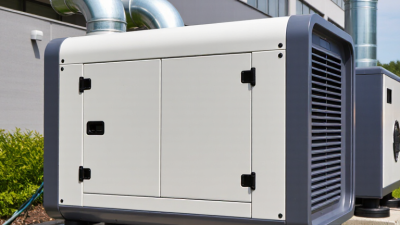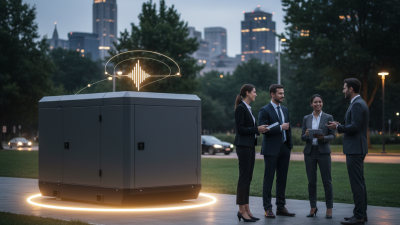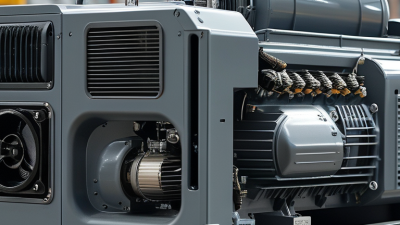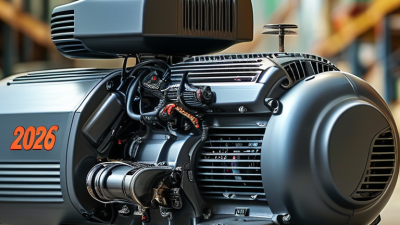

Choosing the right Silent Generator Set requires more than comparing noise ratings. It demands attention to power output, fuel use, installation space, and operating conditions. In hospitals, hotels, construction sites, and residential areas, excessive noise can disrupt work, sleep, and communication. A properly designed enclosure can reduce engine sound while protecting internal components from dust, rain, and accidental contact.
The main types include diesel, gasoline, natural gas, and hybrid silent generator sets. Diesel models often support heavy-duty applications and extended operation. Gasoline units may suit lighter, portable needs. Natural gas systems can offer cleaner operation where a reliable pipeline exists. Hybrid systems combine batteries with an engine, reducing fuel consumption during low-load periods. Each option has practical strengths.
Load behavior matters.
A generator running far below its rated capacity may waste fuel and develop maintenance problems. Meanwhile, an undersized unit can overheat or fail during peak demand. Experienced technicians usually assess starting currents, daily load patterns, ventilation, and service access before recommending a model. Real-world performance also depends on enclosure quality, exhaust design, and maintenance discipline.
This guide examines the top types of Silent Generator Set and explains where each design performs best. It also considers limitations that product brochures may overlook. No single generator fits every project. That point is easy to miss. A careful comparison can help buyers balance quiet operation, reliability, emissions, cost, and long-term service needs.
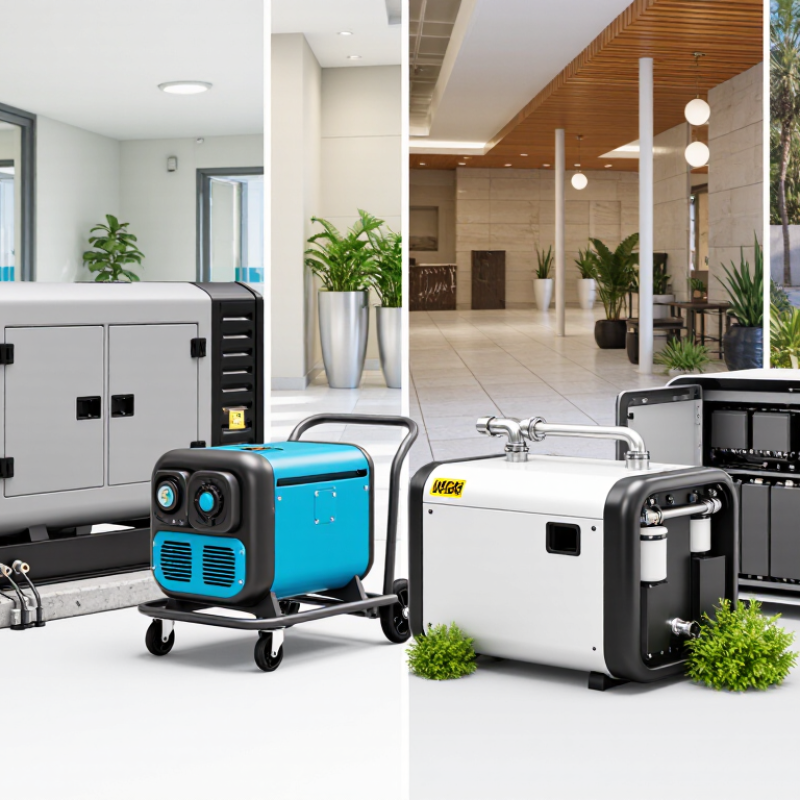
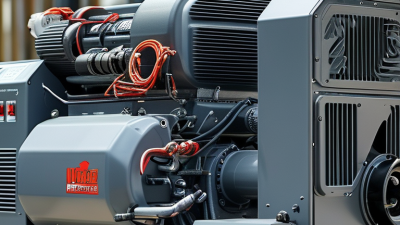
A silent generator set is a power unit enclosed in an acoustic canopy. The enclosure reduces engine and exhaust noise without stopping airflow. Inside, an engine turns an alternator to produce electricity. Sensors, a control panel, and a fuel system manage this process. Diesel sets suit construction sites and backup power. Gasoline and gas models can fit lighter or cleaner-use applications. Inverter sets provide stable output for sensitive electronics. They are not completely silent. No machine is.
During operation, fuel burns in the engine and creates mechanical rotation. The alternator converts that rotation into electrical energy. Cooling fans move hot air through ducts and vents. Acoustic foam, vibration mounts, and a muffler reduce sound at several points. A properly sized set starts more reliably and wastes less fuel. Oversizing can cause inefficient low-load running, while undersizing may overheat or trip. Installation quality matters. Poor ventilation can cancel the enclosure’s benefits and damage components.
Tips: Check rated and standby power separately. Measure sound levels from the intended distance, not beside the canopy. Inspect oil, coolant, filters, batteries, and exhaust paths regularly. Keep the set level and dry. Test it under realistic loads. Leave space for maintenance access; this is often overlooked. Local noise and electrical requirements should be verified by a qualified technician.
Silent generator sets mainly differ by fuel, engine design, and operating purpose. Diesel silent generators are common on construction sites, farms, and emergency facilities. Their enclosed cabinets reduce engine noise and protect components from rain. They also provide strong torque during heavy loads. However, diesel units can be bulky and require regular filter and fuel-system maintenance.
Gasoline silent generators suit homes, small shops, and occasional outdoor work. They are usually lighter and easier to move. Their engines often start quickly, even in short-term applications. Natural gas models can support buildings with a stable gas connection. They produce fewer storage concerns than liquid-fuel systems. Still, gas supply interruptions may stop the generator when backup power is most needed.
Hybrid silent generator sets combine an engine with batteries and an intelligent control system. The battery handles light loads, while the engine starts during demand peaks. This arrangement can reduce fuel use and nighttime noise.
Inverter-type silent generators also deliver cleaner power for sensitive electronics, such as medical monitors or network equipment. Yet, inverter systems may cost more and need careful load calculations.
A quiet cabinet does not remove every sound. Cooling fans, vibration, and exhaust flow still matter. Field checks should measure noise beside occupied rooms, not only near the generator. I have found that installation details sometimes matter more than the advertised sound level.
Diesel and gasoline silent generators use insulated enclosures to reduce engine and exhaust noise. They are quieter, not completely silent. Diesel models usually suit frequent operation, construction sites, farms, and backup systems that may run for many hours. Their engines typically deliver stronger low-speed torque and better fuel efficiency under heavy loads. They are also heavier, more expensive initially, and may need careful cold-weather starting procedures.
Gasoline silent generators are often lighter and easier to move. Their lower purchase cost can benefit homeowners needing short-term emergency power. Gasoline engines usually start quickly in moderate conditions, but they may consume more fuel during demanding loads. Stored gasoline can degrade, especially in warm spaces, so fuel rotation matters. Never store fuel carelessly.
In practical inspections, enclosure design affects noise as much as engine type. Thick acoustic panels, flexible mounts, and a properly shaped exhaust path can reduce harsh vibration. However, blocked vents create heat problems. That mistake is surprisingly common. A diesel unit running near its rated capacity may sound steadier, while a gasoline unit can become sharper during rapid load changes. Measure sound at a stated distance, because “silent” means little without a testing method. Check maintenance access too; a quiet generator is not useful if routine oil changes become awkward. Personally, I would not choose by decibel claims alone. Load pattern, fuel storage, ventilation, and service conditions deserve equal attention.
Silent generator sets suit different applications because enclosure design, load response, and operating location vary. Residential buildings and small offices usually need compact, low-noise diesel or gas sets. A canopy with acoustic lining helps near bedrooms, clinics, and offices. However, “silent” does not mean noiseless. Site measurements should confirm sound levels, especially at night.
Construction sites often require mobile silent sets with rugged frames, lifting points, and flexible fuel storage. They support tools, temporary lighting, and pumps where grid access is weak. Hospitals and emergency facilities need standby sets with fast automatic transfer and reliable fuel autonomy. Testing should follow applicable ISO 8528 practices, while maintenance records should document load-bank tests, battery condition, and coolant levels. Small details matter.
Data centers demand high-capacity, parallel-ready sets with rapid load acceptance and redundant controls. The IEA’s Electricity 2024 report estimated global data-center consumption at about 460 TWh in 2022, with demand potentially exceeding 1,000 TWh by 2026. That growth increases pressure on backup power planning. Marine and remote-site users may prefer corrosion-resistant, containerized units with extended service intervals. A common mistake is choosing by rated kilowatts alone. Real loads fluctuate. Cooling, altitude, acoustics, fuel quality, and technician access can change the correct specification. In practice, the quietest enclosure may restrict airflow, so engineers must balance noise reduction against heat rejection.
A silent generator set reduces noise through an acoustic enclosure, vibration mounts, and a tuned exhaust system. It is not completely silent. Measure the stated decibel level at the same distance used by the supplier. A hospital, hotel, or residential site may need stricter control than a construction area.
Start with the load profile, not only the maximum wattage. Record starting currents from pumps, compressors, and air conditioners. A diesel set suits long, demanding operation and difficult outdoor conditions.
A natural gas set can provide cleaner, quieter operation where a stable gas supply exists. Hybrid sets combine an engine with battery storage. They can reduce fuel use during light loads, but their controls require careful inspection.
Runtime and fuel access matter. A smaller tank may fit a tight site, yet it can create frequent refueling work. Check ventilation, exhaust routing, weather protection, and service clearance before installation. The enclosure must limit sound without trapping heat. Ask for test data, maintenance intervals, warranty terms, and protection ratings. These details often reveal more than a low purchase price.
Avoid choosing from a brochure alone. Real loads change. Recheck the calculation with an electrician, because my first estimate would not always reflect winter starting demand. Regular oil checks, filter replacement, and battery testing protect both reliability and noise performance.