
Reliable electricity is no longer a luxury for hospitals, factories, farms, and data centers. It supports every critical process.
The International Energy Agency’s Electricity 2024 report identifies strong global electricity-demand growth. Its analysis also highlights the importance of flexible and dependable power systems. The U.S. Energy Information Administration similarly tracks rising electricity use across commercial and industrial facilities. These trends explain why the Wolver Generator Set deserves closer technical attention.
The name may describe a specific product line, supplier, or regional market term. Exact specifications can therefore vary. This guide avoids assuming that every Wolver Generator Set uses the same engine, fuel system, or controller.
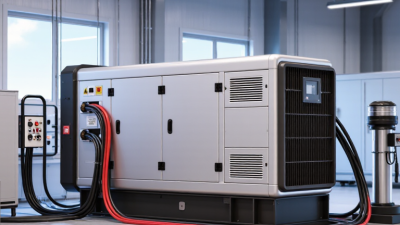
In simple terms, a generator set combines an engine, alternator, control panel, cooling system, and exhaust system. When utility power fails, an automatic transfer switch can send a start signal. The engine accelerates, the alternator produces electricity, and the controller checks voltage and frequency. A typical machine may sit inside a steel enclosure, with hot exhaust leaving through a roof-mounted pipe. Small details matter.
Fuel quality, battery condition, ventilation, grounding, and load balance can determine real performance. A new unit is not automatically a dependable unit.
IEA Executive Director Fatih Birol has said, “The world is entering the Age of Electricity.” That statement gives this subject wider context. A Wolver Generator Set must respond to that demand safely, efficiently, and consistently. This introduction examines how it works, where it fits, and which performance claims deserve careful verification.
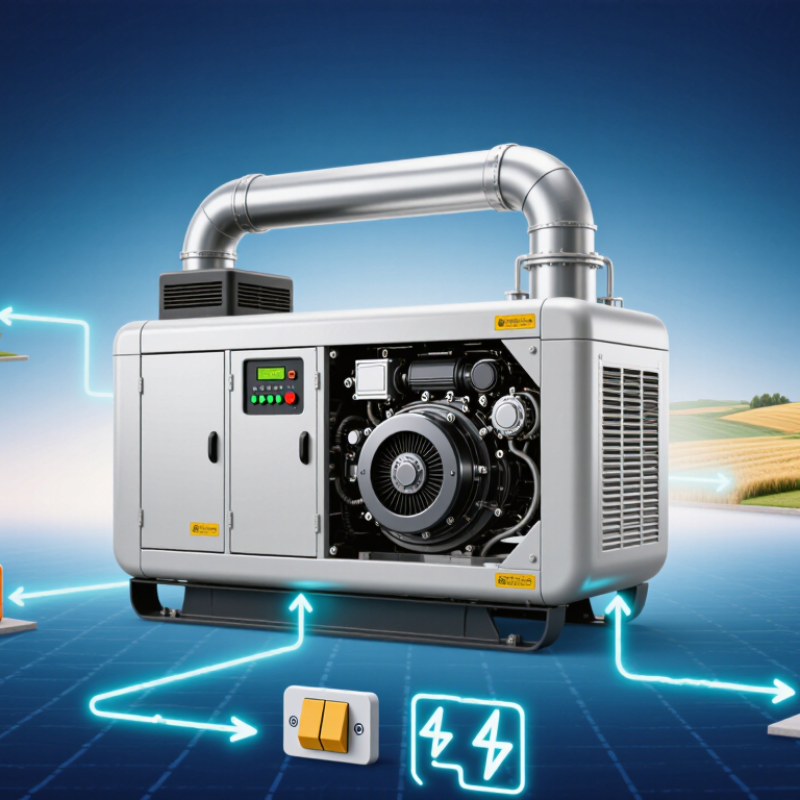
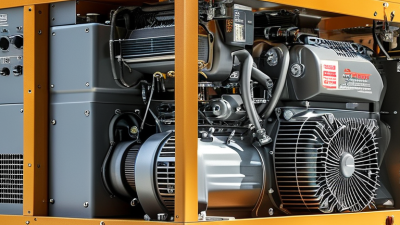
A Wolver generator set is an integrated power unit that produces electricity when the main grid is unavailable or unreliable. It normally combines an internal-combustion engine, an alternator, a fuel system, a control panel, and a cooling system. The engine burns diesel, natural gas, or another approved fuel. The alternator then converts mechanical rotation into electrical power. A control panel manages voltage, frequency, alarms, and automatic starting.
The term describes a complete system, not only an engine. A properly selected set can support hospitals, construction sites, factories, and data facilities. The International Energy Agency reported in Electricity 2024 that global electricity demand may grow by about 4% annually through 2026. This pressure makes dependable backup generation more important. Still, fuel quality, ventilation, exhaust routing, and maintenance strongly affect real performance. Small oversights matter.
When utility power fails, an automatic transfer switch detects the interruption and sends a start signal. The engine accelerates, the alternator stabilizes, and the load transfers after voltage and frequency become acceptable. The U.S. Energy Information Administration notes that generator efficiency varies with load, fuel, and operating conditions. Running far below rated capacity can waste fuel and increase maintenance problems. In practice, a load study is essential, although many purchasing decisions still rely on nameplate capacity alone. That is not always enough.
A generator set combines an internal-combustion engine with an alternator to convert fuel energy into electrical power. The chart shows representative fuel consumption and electrical output for a 100 kVA diesel generator set operating at a power factor of 0.8.
As the load increases, the generator produces more electrical power and consumes more fuel. The engine supplies mechanical rotation, while the alternator converts that rotation into alternating current. A voltage regulator helps maintain stable output voltage during changing loads.
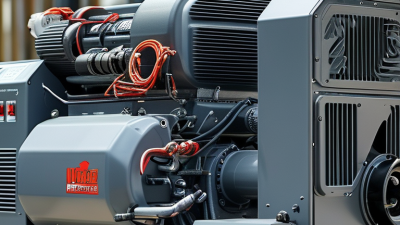
A Wolver generator set converts fuel energy into controlled electrical power. Its engine provides mechanical motion. The alternator changes that motion into electricity. During inspection, technicians check oil level, belt tension, and unusual vibration before starting. A diesel engine may sound steady, but sound alone cannot confirm its condition. That is easy to forget. The engine block, crankshaft, and governor work together to maintain speed under changing loads. Poor maintenance can cause unstable frequency or costly damage.
The fuel system includes a tank, filter, pump, and injection equipment. Clean fuel matters. Water or sediment can restrict flow and shorten component life. The starter motor and battery begin the operating cycle. A charger keeps the battery ready between scheduled runs. The control panel displays voltage, frequency, oil pressure, coolant temperature, and fault alarms. Operators should record these readings, not simply glance at warning lights. Small trends often reveal problems early.
Cooling and exhaust systems protect equipment and people. A radiator, fan, coolant circuit, muffler, and exhaust pipe remove heat and gases. The frame reduces movement, while rubber mounts limit transmitted vibration. Output terminals and protective breakers connect the set to a distribution system. An automatic transfer switch may start the set during a utility outage. Installation still requires correct ventilation, grounding, and load sizing. One undersized cable can cause failure. Specifications should be checked against actual site conditions.
A Wolver generator set converts fuel energy into usable electrical power. Its engine burns diesel or another approved fuel inside controlled cylinders. Combustion pushes pistons downward. The crankshaft then turns a rotating shaft connected to the alternator. This mechanical movement creates electricity through electromagnetic induction. It is a practical process, not magic.
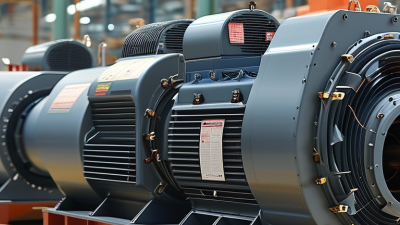
The alternator contains a rotor and stator. As the rotor spins, its magnetic field cuts across copper windings in the stator. Voltage appears in those windings and travels to the output terminals.
An automatic voltage regulator adjusts the excitation current. This helps maintain stable voltage when lights, pumps, or motors change the load. The control panel monitors frequency, oil pressure, coolant temperature, and battery condition.
When utility power fails, an automatic transfer switch can send a start signal. The engine cranks, reaches operating speed, and supplies power to selected circuits. Cooling systems remove heat, while the exhaust system carries combustion gases away from occupied areas. Fuel quality, ventilation, grounding, and regular oil checks directly affect performance.
Real installations are rarely perfect. Dust, poor airflow, loose terminals, or an overloaded circuit can cause shutdowns. A simplified explanation may miss site-specific risks, so qualified technicians should verify protection settings and installation conditions.
What Is a Wolver Generator Set and How Does It Work?
A Wolver generator set combines an engine, alternator, fuel system, control panel, and cooling system. The engine burns fuel to create mechanical power. The alternator then converts that power into electricity. A controller monitors voltage, frequency, oil pressure, and engine temperature. When utility power fails, an automatic transfer switch can start the set and restore essential circuits within seconds. It sounds simple, but correct sizing remains critical.
What Are the Key Applications of Wolver Generator Sets?
These generator sets support construction sites, farms, factories, hospitals, data rooms, and commercial buildings. On a construction site, they can power lighting, welding equipment, pumps, and temporary offices. Farms may use them for ventilation, irrigation, refrigeration, and milking systems. Hospitals and data centers usually connect them to backup circuits, where stable output matters greatly. Outdoor events also use them for sound systems, food storage, and safety lighting. In my experience, the best results come from matching the generator to real starting loads, not only average consumption. A pump may draw much more power during startup. That detail is often underestimated.
Tips: Check the rated and standby capacity before purchase. Schedule oil, filter, battery, and coolant inspections. Keep the exhaust area clear and test the set under load. Local electrical rules and professional installation should guide every connection. Even reliable equipment can fail when maintenance records become inconsistent.
| Dimension | Description | Typical Technical Information | Key Applications or Notes |
|---|---|---|---|
| Definition | A generator set is an integrated system that converts mechanical energy into electrical energy. | It normally combines an internal-combustion engine, an alternator, a control panel, a cooling system, and a fuel system. | Used as a standby, prime-power, or temporary power source where grid electricity is unavailable or unreliable. |
| Energy Conversion Process | Fuel energy is converted into mechanical shaft power and then into electrical power. | The engine rotates the alternator rotor, creating a rotating magnetic field that induces voltage in the stator windings. | The generated electricity is distributed to connected loads through a circuit breaker and electrical distribution equipment. |
| Main Power Sources | Most generator sets use diesel, natural gas, or other approved gaseous or liquid fuels. | Diesel systems are common for high-load and standby duties; gas systems can offer lower local emissions where fuel infrastructure is available. | Fuel selection depends on load profile, fuel availability, emissions rules, storage requirements, and operating cost. |
| Typical Capacity Range | Generator sets are available in many sizes for residential, commercial, industrial, and utility-support applications. | Common commercial and industrial ratings range from approximately 5 kVA to more than 3,000 kVA, depending on configuration. | The required rating should account for continuous load, motor starting current, future expansion, and permitted operating conditions. |
| Starting and Control | The control system starts, monitors, protects, and stops the generator set. | Typical monitoring points include voltage, frequency, oil pressure, coolant temperature, engine speed, battery condition, and operating hours. | Automatic controls can start the set when utility power fails and shut it down after stable utility power returns. |
| Automatic Transfer Switch | An automatic transfer switch transfers selected electrical loads between the utility supply and the generator set. | A typical sequence includes utility-failure detection, generator starting, voltage and frequency verification, load transfer, and retransfer after utility restoration. | Widely used in hospitals, data centers, commercial buildings, and facilities requiring rapid backup power. |
| Prime Power Operation | Prime power refers to supplying variable electrical loads for extended or repeated operating periods. | Operating schedules, maintenance intervals, and allowable load levels must follow the equipment manufacturer’s rating and local regulations. | Suitable for remote construction sites, mining operations, rural facilities, and locations without dependable grid access. |
| Standby Power Operation | Standby operation provides emergency electricity during utility outages. | The set is normally idle and starts only when an outage or unacceptable utility condition is detected. | Common in offices, retail facilities, residential buildings, telecommunications sites, and public infrastructure. |
| Cooling and Exhaust | The cooling system removes engine heat, while the exhaust system directs combustion gases away from occupied areas. | Air-cooled systems are common at smaller ratings; liquid-cooled systems are generally used for higher-output or extended-duty applications. | Installation requires adequate ventilation, exhaust routing, noise control, and compliance with fire and environmental requirements. |
| Healthcare and Emergency Services | Generator sets support critical loads that must remain operational during power interruptions. | Typical critical loads include life-safety systems, medical equipment, emergency lighting, communications, refrigeration, and water pumps. | Hospitals, clinics, fire stations, emergency shelters, and disaster-response facilities commonly use backup generator systems. |
| Data Centers and Telecommunications | Generator sets provide backup power for servers, network equipment, and communication systems. | They are often integrated with uninterruptible power supplies, automatic transfer equipment, monitoring systems, and fuel storage. | High availability, rapid starting, voltage stability, testing, and preventive maintenance are essential for these applications. |
| Construction and Remote Operations | Portable or containerized generator sets supply electricity where permanent grid connections are unavailable. | They may power cranes, welding equipment, lighting, pumps, compressors, temporary offices, and site accommodation. | Correct sizing is important because welding machines, motors, and compressors can create high starting or fluctuating loads. |
| Maintenance Requirements | Regular maintenance helps preserve reliability, efficiency, and safe operation. | Typical tasks include checking oil and coolant, replacing filters, testing batteries, inspecting belts and hoses, exercising the set, and verifying protective alarms. | Maintenance frequency depends on operating hours, load conditions, fuel type, environment, and the applicable service schedule. |
A Wolver generator set combines an engine, alternator, control panel, and fuel system. Proper operation begins with a careful pre-start inspection. Check the oil level, coolant, fuel lines, battery terminals, and air intake. Look for loose cables, cracked hoses, or fresh leaks. Keep hands clear.
Start the generator in a well-ventilated area and let it run without load briefly. Watch the gauges for abnormal temperature, oil pressure, voltage, and frequency. Connect equipment only through suitable transfer equipment. Never connect a generator directly to building wiring. That mistake can injure workers and damage electrical systems. Add loads gradually, especially motors and pumps with high starting currents. If the engine hunts, smokes heavily, or produces unusual vibration, stop and investigate.
Maintenance depends on operating hours and the service schedule, not guesswork. Record every run, load test, fluid change, and alarm in a simple log. Inspect the set weekly when it remains idle. Clean dust from the radiator and control panel, but avoid forcing debris into electrical parts. Replace oil, filters, and coolant at the stated intervals. Test the battery and tighten terminals carefully. Drain accumulated water from the fuel system when required. A monthly loaded test can reveal weak connections that an unloaded test misses. Even a careful checklist can fail when rushed, so another trained person should review critical readings. Some operators overlook small leaks because the set still starts. That is not reliable evidence of good condition.