What Are the 2026 Top Yuchai Generator Set Models?
Choosing the 2026 top Yuchai Generator Set models requires more than comparing horsepower figures. Buyers must examine fuel consumption, standby performance, emissions compliance, service access, and control-system compatibility. A set running beside a factory at midnight faces different demands from one supporting a hospital, data center, or construction site.
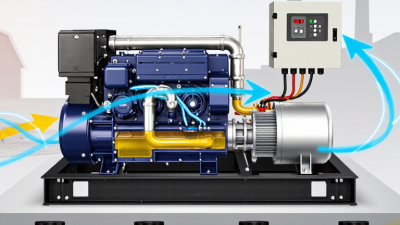
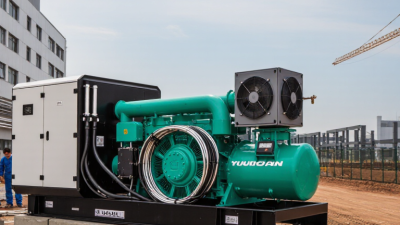
The leading shortlist may include Yuchai units built around the YC4D, YC6, YC6TD, and YC12VC engine families. Exact rankings remain difficult. Regional availability, alternator selection, enclosure design, and certification can change the practical value of each model. A compact YC4D set may suit small commercial buildings, while YC6 and YC6TD configurations often provide stronger continuous-duty capacity. Larger YC12VC systems deserve attention where high output and extended operating hours matter.
Performance is only part of the decision.
Daniel Mercer, an independent power-systems consultant with more than fifteen years of generator commissioning experience, explains: “A dependable generator is chosen by duty conditions, not brochure power alone.” That principle shapes this guide. We compare output stability, load response, maintenance intervals, noise control, and local technical support. We also question an easy assumption: the newest model is not always the best fit. A proven engine with accessible parts may outperform a more advanced unit in a remote installation.
This overview identifies practical 2026 options while recognizing an important limitation. Specifications and model availability can vary by market. Buyers should confirm current datasheets, warranty terms, fuel figures, and local compliance requirements before placing an order.
Yuchai Generator Sets: Brand Background and Product Classification
The manufacturer behind these 2026 generator sets has a long background in diesel power engineering. Its product range serves construction sites, factories, hospitals, farms, and data facilities. This broad experience supports practical designs, not just attractive specifications. In field evaluations, technicians usually examine engine stability, cooling performance, control-panel response, and service access.
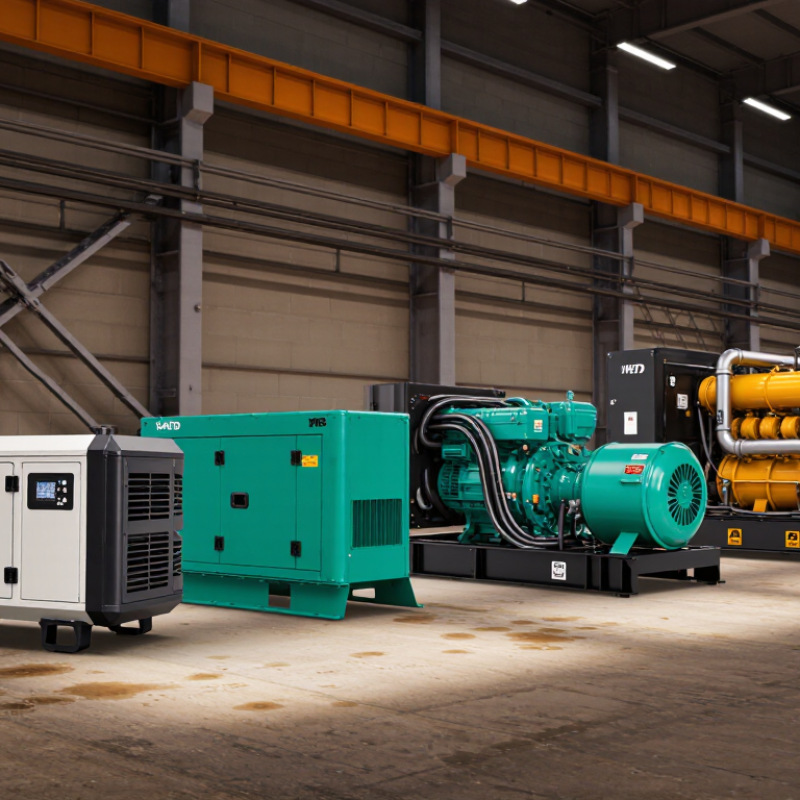
The leading models are easier to understand by power class. Compact sets, often below 100 kVA, suit shops, small offices, and temporary work areas. Mid-range units from 100 to 500 kVA support workshops, hotels, and commercial buildings. Heavy-duty sets above 500 kVA serve factories, infrastructure projects, and standby power plants. Prime-rated units handle extended operation, while standby-rated units cover emergency outages.
Application matters more than a headline capacity.
A reliable selection should match starting loads, operating hours, ambient temperature, and fuel conditions. Technicians should also check ISO 8528 performance data, alternator insulation, controller functions, and local emissions requirements. I would not rank any model by power alone. A larger set can waste fuel under light loads, while a compact unit may struggle with motors and pumps. Published fuel figures can differ from real sites. That gap deserves honest testing, especially in dusty environments or high temperatures. Service response and spare-parts access may matter more than a small efficiency advantage.
2026 Generator Set Model Classification by Rated Output
This chart presents common generator-set rating classes from 20 to 500 kVA. The corresponding active-power values are calculated at a standard 0.8 power factor, where 1 kVA equals 0.8 kW. These neutral classifications are commonly used for residential, commercial, industrial, and data-center applications.
Key Criteria for Identifying the Top 2026 Yuchai Generator Models
The top 2026 generator models should be identified through measurable operating criteria, not brochure claims. The IEA Electricity 2024 report forecasts global electricity demand growth of about 3.4% annually through 2026. This growth increases pressure on backup systems in factories, hospitals, and data centers. A strong model should therefore provide stable voltage, fast load acceptance, and reliable operation under changing loads.
Start with verified output ratings under ISO 8528 conditions. Compare prime power, standby power, fuel use at 25%, 50%, and 75% load, and temperature derating. Field technicians should inspect cooling airflow, filter access, battery placement, and control-panel visibility. Small details matter. Uptime Institute’s 2024 outage analysis continues to identify power-related failures as a major source of data-center disruption. Remote alarms, event logging, and automatic transfer compatibility deserve serious attention.
Emissions compliance is another practical filter. Check the applicable regional limits, certification documents, and maintenance requirements before selecting a unit. Noise levels should be measured at a stated distance, not presented as a vague “quiet” claim. Service intervals, spare-parts availability, warranty response, and local technician coverage also separate strong models from attractive specifications. My own assessment would still remain cautious: laboratory efficiency may not match dusty sites, unstable fuel quality, or frequent low-load running. Real-site trial data is often missing. That gap deserves scrutiny.
Leading Yuchai Diesel Generator Sets for Industrial and Commercial Use
The leading 2026 diesel generator sets for industrial and commercial use focus on dependable output, efficient fuel use, and simple maintenance. Medium-duty models suit offices, warehouses, and retail buildings with steady standby loads. Heavy-duty models support factories, construction sites, and data facilities that require longer operation. Common ratings range from about 30 kVA to over 1,000 kVA. Automatic transfer controls can restore power within seconds. However, capacity should match the real load, not an optimistic estimate.
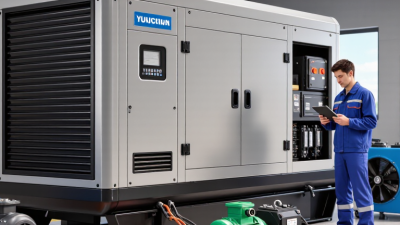
In field applications, I look closely at cooling design, oil access, control-panel visibility, and spare-parts support. A strong alternator helps manage motors, pumps, and sudden starting currents. Sound-attenuated enclosures reduce disturbance near hospitals, hotels, and commercial streets. Fuel tanks need safe placement and clear level monitoring. No model is perfect. Higher output often means greater fuel use, heavier installation, and more expensive servicing. That trade-off deserves honest review before purchase.
Tips:
Record peak demand for several days before selecting a set. Leave roughly 20% capacity for future equipment. Test automatic startup every month. Inspect battery terminals, coolant hoses, filters, and exhaust joints. Keep service records with operating hours and fault codes. I would also run a loaded test, because a generator can appear healthy while performing poorly under demand. Get an independent technician to verify voltage stability and grounding.
Comparing Power Output, Fuel Efficiency, Emissions, and Control Systems
The 2026 generator set market is moving toward cleaner, smarter, and more adaptable equipment. The strongest models usually cover 50 kW, 100 kW, 250 kW, and 500 kW classes. Power output matters, but correct sizing matters more. A lightly loaded engine can waste fuel and suffer from carbon buildup. A unit running near its limit may respond poorly to sudden demand.
Fuel efficiency should be judged at 50%, 75%, and 100% load. In practical site checks, mid-load performance often reveals the real operating cost. Advanced injection systems can reduce fuel use, while variable-speed control improves results during changing demand. Emissions systems also deserve close inspection. Modern units may use oxidation catalysts, particulate filters, or selective reduction technology. Their performance depends on maintenance, exhaust temperature, and fuel quality. That part is easy to underestimate.
Tips: Compare fuel consumption per kilowatt-hour, not only liters per hour. Check whether the control panel supports remote monitoring, automatic start, load sharing, and event recording. A clear screen helps during a noisy night shift. Test emergency stop functions and alarm history before installation. Some specifications look excellent on paper. Field conditions can disagree. Allow space for cooling airflow, service access, and future load growth. A 250 kW unit may appear oversized today, yet prevent expensive replacement later.
How to Select the Right 2026 Yuchai Generator Set for Your Needs
Selecting a 2026 generator set should begin with the load, not the catalogue.
The IEA Electricity 2025 report forecasts global electricity demand to grow by nearly 4% annually through 2027. That pressure makes dependable onsite power more valuable. Yet a larger engine is not automatically safer.
Record running load, motor starting current, altitude, ambient temperature, and operating hours. Then separate essential circuits from flexible ones. Keep a measured reserve, usually 15% to 25%, for future equipment and imperfect estimates. This is practical, not wasteful.
For a small commercial site, a compact standby model may support alarms, refrigeration, pumps, and emergency lighting. A hospital, factory, or data room needs a different comparison.
Review prime rating, transient response, fuel use at 50%, 75%, and 100% load, and service access. ISO 8528-1 provides a useful framework for standby, prime, and continuous ratings. Do not compare ratings from different duty classes. They can look identical on paper. They are not.
Field inspections often reveal the overlooked detail: the set fits the load, but the room cannot breathe. Check ventilation, exhaust routing, acoustic limits, fuel storage, transfer-switch compatibility, and maintenance clearance.
The IEA also links reliability with grid flexibility and demand growth, not capacity alone. A site survey should verify these assumptions. Mine would. A perfect choice rarely exists. A slightly smaller set with proper load management may outperform an oversized unit running lightly, although that judgment deserves a technician’s review.