| 1 |
Rated Power Coverage |
Common commercial ranges extend from approximately 10 kVA to 2,500 kVA per generating set, with larger projects using synchronized units. |
A broader range, stronger paralleling capability, and better load-sharing control can reduce the need for multiple suppliers. |
Check the rated-prime and standby-power schedules, load profile, and ISO 8528-1 rating definitions. |
| 2 |
Acoustic Performance |
Weatherproof silent enclosures commonly target approximately 65–75 dB(A) at 7 metres, depending on power, load, and test conditions. |
The main differences are enclosure airflow design, acoustic insulation, exhaust silencer performance, and cooling-fan noise. |
Request a third-party or factory test report stating distance, load percentage, measurement method, and site conditions. |
| 3 |
Engine and Alternator Matching |
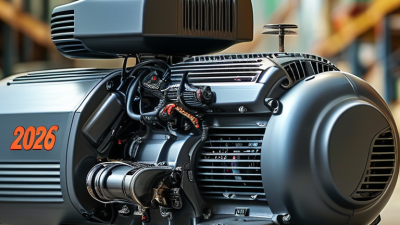
Reliable packages normally use an industrial diesel engine, brushless alternator, automatic voltage regulation, and a compatible digital controller. |
Correct engine-alternator matching improves transient response, voltage stability, fuel efficiency, and motor-starting performance. |
Review engine model, alternator data sheet, short-circuit capability, voltage-regulation tolerance, and motor-start test results. |
| 4 |
Fuel Consumption |
Diesel consumption varies significantly by engine size and loading; published figures should normally be provided at 25%, 50%, 75%, and 100% load. |
Electronic fuel injection, engine calibration, and operating the set near its efficient load range influence life-cycle cost. |
Compare fuel-consumption curves using the same kW output, fuel standard, ambient conditions, and load percentage. |
| 5 |
Emission Compliance |
Compliance depends on engine power, destination, fuel type, and local regulations; China Stage IV and EU Stage V are not interchangeable requirements. |
Advanced packages may include diesel oxidation catalysts, diesel particulate filters, selective catalytic reduction, or other after-treatment systems. |
Confirm the exact engine certification, applicable market regulation, after-treatment requirements, and maintenance intervals. |
| 6 |
Automatic Transfer and Control |
Standard systems may include AMF control, automatic transfer switching, remote start/stop, event logging, and protection alarms. |
Higher-spec systems add synchronizing, load sharing, peak shaving, remote monitoring, PLC integration, and Modbus or other communication interfaces. |
Request a single-line diagram, control-panel list, communication protocol details, and a witnessed automatic-transfer test. |
| 7 |
Enclosure and Environmental Protection |
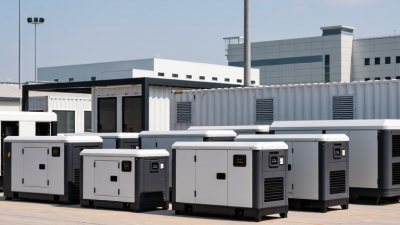
Outdoor packages generally require weather protection, corrosion-resistant treatment, adequate ventilation, emergency stops, and safe access for maintenance. |
Differences include steel thickness, powder-coating process, rain protection, cold-weather packages, hot-climate cooling, and containerized layouts. |
Check enclosure drawings, ingress-protection claims, coating specifications, ventilation calculations, and environmental operating limits. |
| 8 |
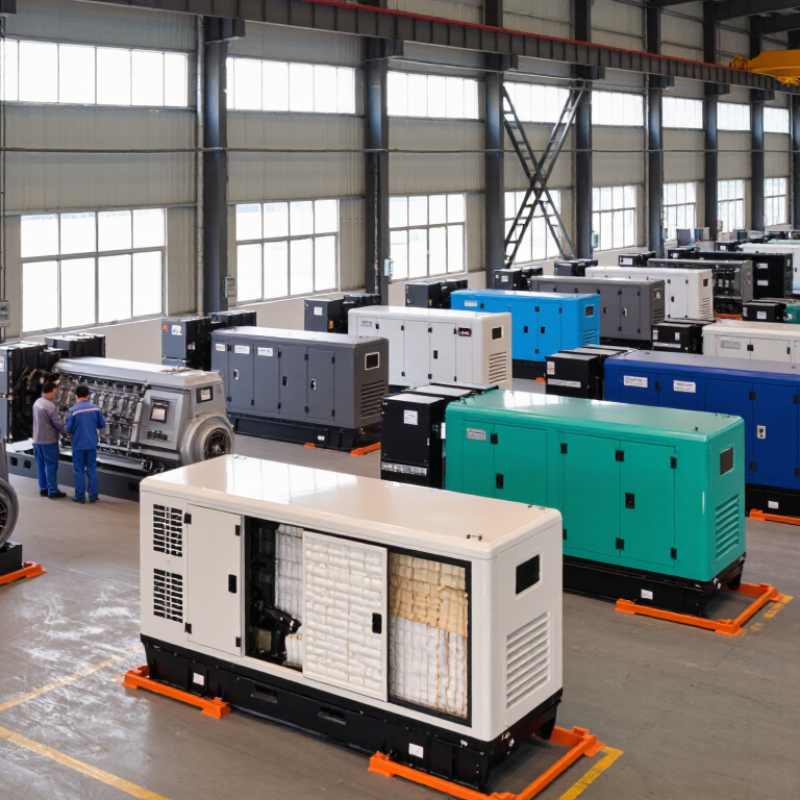
Factory Testing and Quality Control |
A professional factory acceptance test should cover voltage, frequency, load response, protection functions, leakage, noise, and general assembly quality. |
More mature production systems provide traceable serial numbers, calibrated test equipment, documented inspection points, and repeatable load-bank testing. |
Ask for a sample FAT document, calibration certificates, inspection checklist, and applicable ISO 9001 quality-management evidence. |
| 9 |
Spare Parts and Maintainability |
Routine service commonly involves oil, coolant, fuel, air, and battery-system maintenance, with intervals determined by the engine manufacturer. |
Accessible filters, removable panels, standardized components, clear service manuals, and local spare-parts stock shorten downtime. |
Evaluate the parts list, warranty exclusions, recommended maintenance schedule, technical documentation, and regional inventory plan. |
| 10 |
Installation and After-Sales Support |
Support requirements typically include commissioning, operator training, preventive maintenance, troubleshooting, and emergency service arrangements. |
The strongest suppliers differentiate themselves through documented response times, trained service technicians, remote diagnostics, and regional service coverage. |
Obtain the service-level agreement, escalation procedure, warranty terms, commissioning scope, and references for comparable installations. |